Wildpulse Map
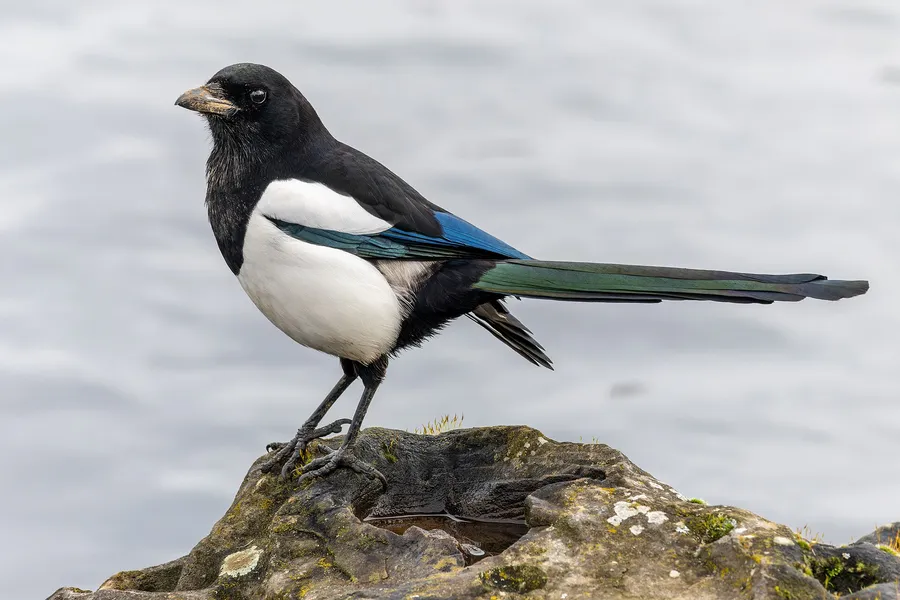
Photo: Eurasian Magpie

Eurasian Magpie

Pica pica

The Eurasian magpie is a member of the crow family with bold black-and-white plumage and a very long tail; its black feathers shine green, blue or purple in the light. It favours open country with hedges and scattered trees, and often breeds in suburban parks and gardens. As an omnivore it eats insects, carrion, grain, scraps, and also eggs and young birds. It is one of very few birds known to pass the mirror test of self-recognition. Its bulky stick nest usually has a domed roof.

In our data the species was reported on 2,576,845 days in 76 countries, most often in Sweden, France and the United Kingdom.

Last reported on November 22, 2026 in Russia (Orenburg)

View on the map

Photo: Alexis Lours, CC BY 4.0

Size and way of life

Wingspan
56 cmfrom wingtip to wingtip

Where the species lives and is reported

Drag to turn the globe

Where it is reported

Most reports come from Europe (97 %) and from Asia (3 %).

Counted are reporting days: days on which the species was reported at least once in a cell.

Where it was reported

Each hexagon is a cell about 40 km across in which people reported the species. The darker, the more days.

  • 2,576,845reporting days
  • 7,413cells
  • 76countries

Where it stays pale, few reports come in. That does not mean the species is absent there. The latest reports pulse:

  • Orenburg, Russia
  • Bouches-du-Rhône, France
  • Cantabria, Spain
  • Centre Macedonia, Greece

Where it is reported most often

For each country, the place where the species was reported on the most days. Tap a place.

This is no promise. It shows where people report it especially often.

Through the year

The species is most likely to be reported in January (28 % more often than the yearly average), least often in July (26 % less often). The bars show the difference from the yearly average, adjusted for the fact that more people are outdoors in summer. On the map, a cell is darker the more of its reports fall in the month shown.

January: 28 % more often than the yearly average.

When is the species reported where?

Green means: in this month the species is reported there clearly more often than in the rest of the year. Blue means: clearly less often. We have adjusted for the fact that more people are outdoors in summer. Tap a square.

How often the species is reported per country and month, compared with the yearly average
CountryJFMAMJJASOND
All countriesreported 28 % more often than the yearly averagereported 16 % more often than the yearly averagereported 11 % more often than the yearly averagereported about as often as the yearly averagereported about as often as the yearly averagereported 17 % less often than the yearly averagereported 26 % less often than the yearly averagereported 24 % less often than the yearly averagereported about as often as the yearly averagereported about as often as the yearly averagereported 14 % more often than the yearly averagereported 20 % more often than the yearly average
Swedenreported 56 % more often than the yearly averagereported 21 % more often than the yearly averagereported 11 % more often than the yearly averagereported about as often as the yearly averagereported 10 % less often than the yearly averagereported 22 % less often than the yearly averagereported 26 % less often than the yearly averagereported 25 % less often than the yearly averagereported 13 % less often than the yearly averagereported about as often as the yearly averagereported 11 % more often than the yearly averagereported 16 % more often than the yearly average
Francereported 26 % more often than the yearly averagereported 14 % more often than the yearly averagereported 12 % more often than the yearly averagereported 28 % more often than the yearly averagereported 17 % more often than the yearly averagereported about as often as the yearly averagereported 33 % less often than the yearly averagereported 38 % less often than the yearly averagereported 24 % less often than the yearly averagereported 10 % less often than the yearly averagereported about as often as the yearly averagereported 13 % more often than the yearly average
United Kingdomreported 11 % more often than the yearly averagereported about as often as the yearly averagereported about as often as the yearly averagereported about as often as the yearly averagereported about as often as the yearly averagereported 14 % less often than the yearly averagereported 16 % less often than the yearly averagereported about as often as the yearly averagereported about as often as the yearly averagereported about as often as the yearly averagereported 12 % more often than the yearly averagereported 17 % more often than the yearly average
Spainreported about as often as the yearly averagereported about as often as the yearly averagereported about as often as the yearly averagereported about as often as the yearly averagereported about as often as the yearly averagereported about as often as the yearly averagereported 14 % less often than the yearly averagereported 15 % less often than the yearly averagereported about as often as the yearly averagereported about as often as the yearly averagereported about as often as the yearly averagereported about as often as the yearly average
Norwayreported 42 % more often than the yearly averagereported 23 % more often than the yearly averagereported 13 % more often than the yearly averagereported about as often as the yearly averagereported 20 % less often than the yearly averagereported 29 % less often than the yearly averagereported 31 % less often than the yearly averagereported 23 % less often than the yearly averagereported about as often as the yearly averagereported 24 % more often than the yearly averagereported 27 % more often than the yearly averagereported 30 % more often than the yearly average
Germanyreported 32 % more often than the yearly averagereported about as often as the yearly averagereported about as often as the yearly averagereported about as often as the yearly averagereported about as often as the yearly averagereported 16 % less often than the yearly averagereported 27 % less often than the yearly averagereported 28 % less often than the yearly averagereported 12 % less often than the yearly averagereported about as often as the yearly averagereported about as often as the yearly averagereported 25 % more often than the yearly average
Finlandreported 45 % more often than the yearly averagereported 57 % more often than the yearly averagereported 30 % more often than the yearly averagereported 19 % less often than the yearly averagereported 53 % less often than the yearly averagereported 44 % less often than the yearly averagereported 53 % less often than the yearly averagereported 47 % less often than the yearly averagereported 28 % less often than the yearly averagereported 25 % more often than the yearly averagereported 84 % more often than the yearly averagereported 66 % more often than the yearly average
Belgiumreported about as often as the yearly averagereported about as often as the yearly averagereported about as often as the yearly averagereported 17 % more often than the yearly averagereported 18 % more often than the yearly averagereported about as often as the yearly averagereported 17 % less often than the yearly averagereported 27 % less often than the yearly averagereported 15 % less often than the yearly averagereported about as often as the yearly averagereported about as often as the yearly averagereported about as often as the yearly average
much less oftenless oftenno clear differencemore oftenmuch more often

In Sweden in January: reported 56 % more often than the yearly average. This is the strongest month there.

Who is reported in the same cells

In how many of 10 areas of this species the other species was reported as well. Counted are the 5,925 cells in which this species is reported regularly; compared with the other species that have a page.

Latest reports on the map

The map shows every cell with reports of this species, including the latest ones, and every other species as well.

View the Eurasian Magpie on the map