Wildpulse Map
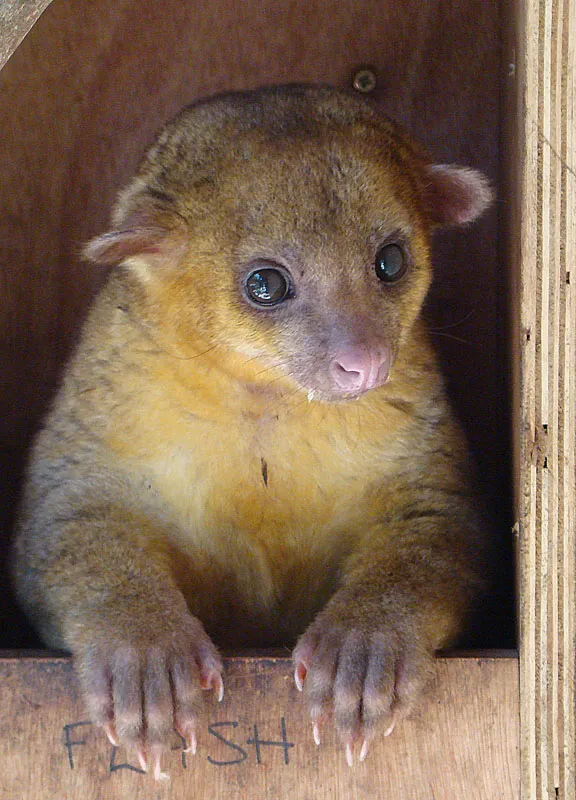
Photo: Kinkajou

Kinkajou

Potos flavus

The kinkajou is a member of the raccoon family with brown fur, a yellowish belly and a long prehensile tail that it wraps around branches as it climbs. It lives in the trees of tropical rainforests from southern Mexico to southern Brazil and is active at night. Although classed as a carnivore, it eats mostly fruit, along with leaves, a little nectar and, in some areas, insects. Its long tongue reaches far out of the mouth and helps it lick up fruit pulp and nectar.

In our data the species was reported on 415 days in 14 countries, most often in Colombia, France and Costa Rica.

Last reported on November 19, 2026 in Brazil (Amazonas)

View on the map

Photo: Dick Culbert from Gibsons, B.C., Canada, CC BY 2.0

Size and way of life

Size comparison: Kinkajou, head-and-body length 63 cm, next to a person 1.75 m tall.50 cm1 m1.5 m 63 cm1.75 m
Head and body, average for adults. The outline is scaled to this length and only approximate. The person next to it is 1.75 m tall.
Weight
2.4 kgaverage for adults
Length
63 cmhead and body, without tail
Home range
0.2 km²average size of the area an animal lives in
Young
1 youngper litter, after a gestation of 4 months
Active
at nightmainly nocturnal
Altitude
up to 2,500 mabove sea level
Maximum age
38 yearsoldest recorded age

From birth to old age

  1. 173 gat birth
  2. 4 monthsuntil the young are weaned
  3. 2.4 kgfully grown; able to breed at 2 years
  4. 38 yearsoldest recorded age

The area of each dot matches the weight.

Where the species lives and is reported

Drag to turn the globe
Country where it occurs

Where the species is at home

Tinted green are the 17 countries where the species occurs according to the scientific literature.

Country list: Mammal Diversity Database.

Where it was reported

Each hexagon is a cell about 40 km across in which people reported the species. The darker, the more days.

  • 415reporting days
  • 162cells
  • 14countries

Where it stays pale, few reports come in. That does not mean the species is absent there. The latest reports pulse:

  • Amazonas, Brazil
  • Chiapas, Mexico
  • Puntarenas, Costa Rica
  • Puebla, Mexico

Where it is reported most often

For each country, the place where the species was reported on the most days. Tap a place.

This is no promise. It shows where people report it especially often.

Through the year

Across the year there is no clear difference between the months. The bars show the difference from the yearly average, adjusted for the fact that more people are outdoors in summer. On the map, a cell is darker the more of its reports fall in the month shown.

January: 26 % more often than the yearly average.

When is the species reported where?

Green means: in this month the species is reported there clearly more often than in the rest of the year. Blue means: clearly less often. We have adjusted for the fact that more people are outdoors in summer. Tap a square.

How often the species is reported per country and month, compared with the yearly average
CountryJFMAMJJASOND
All countriesno clear difference from the yearly averagereported about as often as the yearly averagereported about as often as the yearly averagereported about as often as the yearly averageno clear difference from the yearly averageno clear difference from the yearly averagereported about as often as the yearly averagereported about as often as the yearly averageno clear difference from the yearly averageno clear difference from the yearly averagereported about as often as the yearly averageno clear difference from the yearly average
Colombiareported about as often as the yearly averageno clear difference from the yearly averageno clear difference from the yearly averageno clear difference from the yearly averageno clear difference from the yearly averagereported 2 times as often as the yearly averagereported 2 times as often as the yearly averageno clear difference from the yearly averageno clear difference from the yearly averageno clear difference from the yearly averagereported about as often as the yearly averagereported about as often as the yearly average
Franceno clear difference from the yearly averageno clear difference from the yearly averagereported about as often as the yearly averageno clear difference from the yearly averageno clear difference from the yearly averageno clear difference from the yearly averageno clear difference from the yearly averageno clear difference from the yearly averageno clear difference from the yearly averagereported about as often as the yearly averageno clear difference from the yearly averageno clear difference from the yearly average
Costa Ricareported about as often as the yearly averageno clear difference from the yearly averageno clear difference from the yearly averageno clear difference from the yearly averageno clear difference from the yearly averageno clear difference from the yearly averageno clear difference from the yearly averageno clear difference from the yearly averageno clear difference from the yearly averageno clear difference from the yearly averageno clear difference from the yearly averagereported about as often as the yearly average
Brazilno clear difference from the yearly averageno clear difference from the yearly averageno clear difference from the yearly averageno clear difference from the yearly averageno clear difference from the yearly averagereported about as often as the yearly averageno clear difference from the yearly averageno clear difference from the yearly averageno clear difference from the yearly averageno clear difference from the yearly averageno clear difference from the yearly averageno clear difference from the yearly average
much less oftenless oftenno clear differencemore oftenmuch more often

In Colombia in June: reported 2 times as often as the yearly average. This is the strongest month there.

Who is reported in the same cells

In how many of 10 areas of this species the other species was reported as well. Counted are the 35 cells in which this species is reported regularly; compared with the other species that have a page.

Latest reports on the map

The map shows every cell with reports of this species, including the latest ones, and every other species as well.

View the Kinkajou on the map