Wildpulse Map
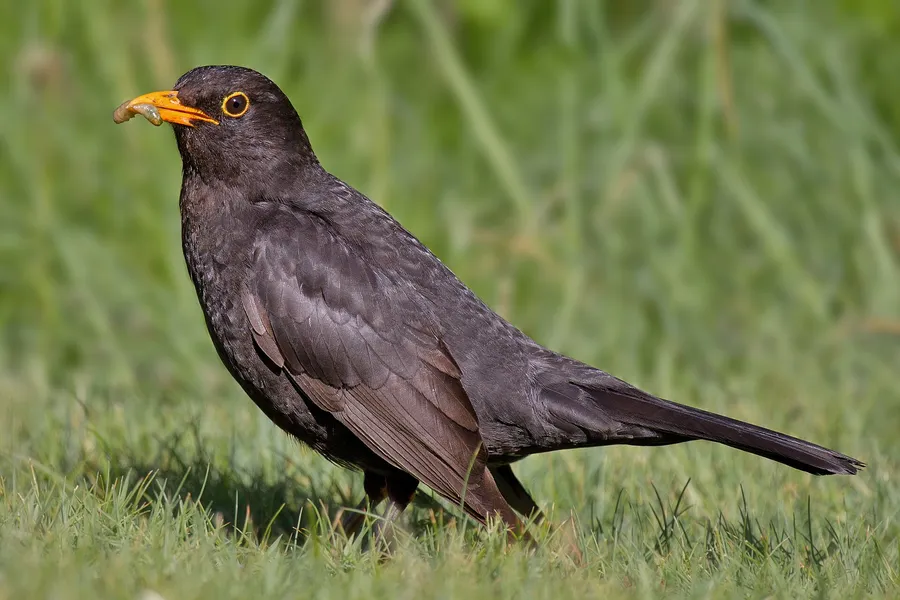
Photo: Eurasian Blackbird

Eurasian Blackbird

Turdus merula

The Eurasian blackbird is a thrush and one of Europe's most familiar birds: the male is all black with a bright yellow bill and eye-ring, the female mostly dark brown. Originally a forest bird, it has moved into parks, gardens and city centres since the 19th century. It forages mainly on the ground for earthworms and insects, and also eats berries and fruit. Males are known for their rich, melodious song, which in spring often starts before dawn. In parts of Europe, numbers have dropped noticeably because of the mosquito-borne Usutu virus.

In our data the species was reported on 3,549,609 days in 79 countries, most often in France, Sweden and Spain.

Last reported on November 22, 2026 in the United Kingdom (Gateshead)

View on the map

Photo: Andreas Trepte, CC BY-SA 2.5

Size and way of life

Wingspan
36 cmfrom wingtip to wingtip

Where the species lives and is reported

Drag to turn the globe

Where it is reported

Most reports come from Europe (90 %) and from Oceania (8 %).

Counted are reporting days: days on which the species was reported at least once in a cell.

Where it was reported

Each hexagon is a cell about 40 km across in which people reported the species. The darker, the more days.

  • 3,549,609reporting days
  • 7,220cells
  • 79countries

Where it stays pale, few reports come in. That does not mean the species is absent there. The latest reports pulse:

  • Gateshead, United Kingdom
  • Warrington, United Kingdom
  • Denmark, Denmark
  • Luxembourg, Luxembourg

Where it is reported most often

For each country, the place where the species was reported on the most days. Tap a place.

This is no promise. It shows where people report it especially often.

Through the year

The species is most likely to be reported in April (18 % more often than the yearly average), least often in August (30 % less often). The bars show the difference from the yearly average, adjusted for the fact that more people are outdoors in summer. On the map, a cell is darker the more of its reports fall in the month shown.

January: 13 % more often than the yearly average.

When is the species reported where?

Green means: in this month the species is reported there clearly more often than in the rest of the year. Blue means: clearly less often. We have adjusted for the fact that more people are outdoors in summer. Tap a square.

How often the species is reported per country and month, compared with the yearly average
CountryJFMAMJJASOND
All countriesreported 13 % more often than the yearly averagereported about as often as the yearly averagereported about as often as the yearly averagereported 18 % more often than the yearly averagereported 12 % more often than the yearly averagereported about as often as the yearly averagereported 18 % less often than the yearly averagereported 30 % less often than the yearly averagereported 21 % less often than the yearly averagereported about as often as the yearly averagereported about as often as the yearly averagereported 10 % more often than the yearly average
Francereported 17 % more often than the yearly averagereported 13 % more often than the yearly averagereported about as often as the yearly averagereported 37 % more often than the yearly averagereported 30 % more often than the yearly averagereported about as often as the yearly averagereported 26 % less often than the yearly averagereported 42 % less often than the yearly averagereported 37 % less often than the yearly averagereported 17 % less often than the yearly averagereported about as often as the yearly averagereported about as often as the yearly average
Swedenreported 30 % more often than the yearly averagereported about as often as the yearly averagereported 22 % more often than the yearly averagereported 29 % more often than the yearly averagereported 14 % more often than the yearly averagereported about as often as the yearly averagereported 23 % less often than the yearly averagereported 42 % less often than the yearly averagereported 27 % less often than the yearly averagereported about as often as the yearly averagereported 14 % less often than the yearly averagereported about as often as the yearly average
Spainreported about as often as the yearly averagereported about as often as the yearly averagereported about as often as the yearly averagereported 11 % more often than the yearly averagereported 12 % more often than the yearly averagereported about as often as the yearly averagereported about as often as the yearly averagereported 11 % less often than the yearly averagereported 10 % less often than the yearly averagereported about as often as the yearly averagereported about as often as the yearly averagereported about as often as the yearly average
United Kingdomreported 14 % more often than the yearly averagereported about as often as the yearly averagereported about as often as the yearly averagereported about as often as the yearly averagereported about as often as the yearly averagereported about as often as the yearly averagereported 14 % less often than the yearly averagereported 20 % less often than the yearly averagereported 20 % less often than the yearly averagereported about as often as the yearly averagereported 11 % more often than the yearly averagereported 18 % more often than the yearly average
Germanyreported 21 % more often than the yearly averagereported about as often as the yearly averagereported about as often as the yearly averagereported about as often as the yearly averagereported 15 % more often than the yearly averagereported about as often as the yearly averagereported 11 % less often than the yearly averagereported 33 % less often than the yearly averagereported 28 % less often than the yearly averagereported 12 % less often than the yearly averagereported about as often as the yearly averagereported 17 % more often than the yearly average
Norwayreported 11 % more often than the yearly averagereported about as often as the yearly averagereported 25 % more often than the yearly averagereported 32 % more often than the yearly averagereported about as often as the yearly averagereported 11 % less often than the yearly averagereported 28 % less often than the yearly averagereported 36 % less often than the yearly averagereported 11 % less often than the yearly averagereported 26 % more often than the yearly averagereported about as often as the yearly averagereported about as often as the yearly average
Australiareported about as often as the yearly averagereported 21 % less often than the yearly averagereported 22 % less often than the yearly averagereported 14 % less often than the yearly averagereported about as often as the yearly averagereported about as often as the yearly averagereported about as often as the yearly averagereported about as often as the yearly averagereported about as often as the yearly averagereported 11 % more often than the yearly averagereported 21 % more often than the yearly averagereported 25 % more often than the yearly average
New Zealandreported 10 % less often than the yearly averagereported 26 % less often than the yearly averagereported 21 % less often than the yearly averagereported about as often as the yearly averagereported about as often as the yearly averagereported 14 % more often than the yearly averagereported 13 % more often than the yearly averagereported 11 % more often than the yearly averagereported about as often as the yearly averagereported 11 % more often than the yearly averagereported about as often as the yearly averagereported about as often as the yearly average
much less oftenless oftenno clear differencemore oftenmuch more often

In France in April: reported 37 % more often than the yearly average. This is the strongest month there.

Who is reported in the same cells

In how many of 10 areas of this species the other species was reported as well. Counted are the 6,092 cells in which this species is reported regularly; compared with the other species that have a page.

Latest reports on the map

The map shows every cell with reports of this species, including the latest ones, and every other species as well.

View the Eurasian Blackbird on the map