Where it is reported
Most reports come from Europe (100 %).
Counted are reporting days: days on which the species was reported at least once in a cell.
 Wildpulse Map
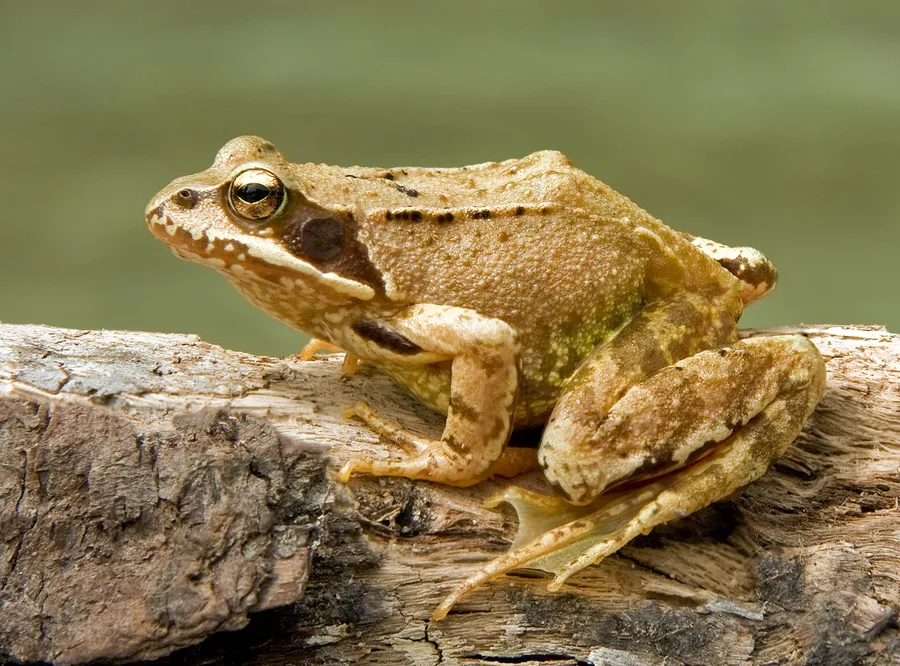
Rana temporaria
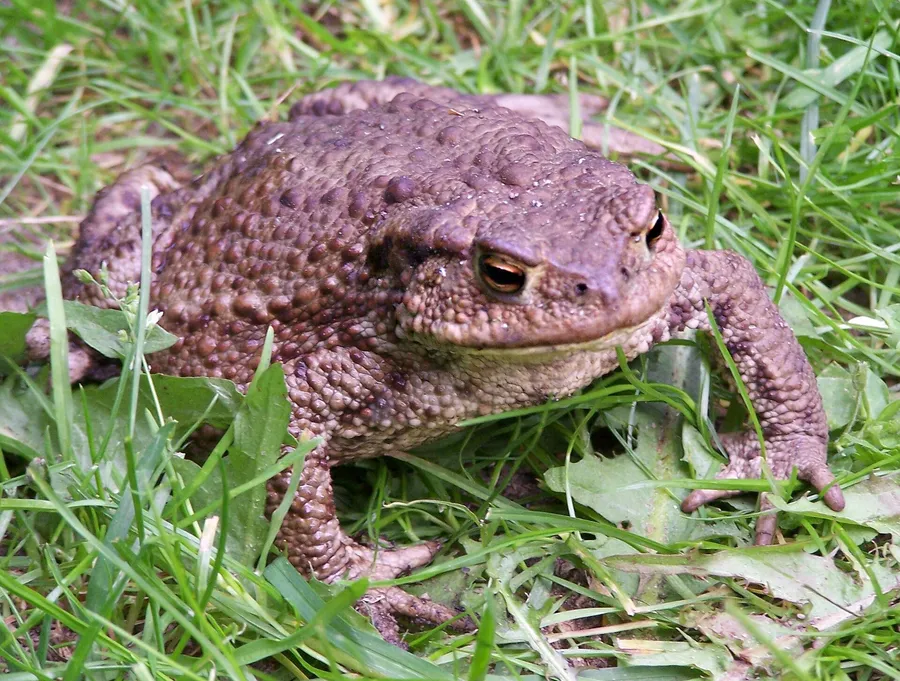
The common frog is a brown frog whose colour varies widely, from olive green to grey-brown, yellowish or reddish, with a dark triangular patch behind each eye. It is widespread across Europe, reaching as far north as northern Scandinavia, and outside the breeding season lives in damp grassland, marshes and gardens. Mostly at night, it hunts insects, spiders, slugs, snails and earthworms. In early spring it moves to ponds to spawn, laying its eggs in large jelly clumps rather than the strings that toads produce; at favoured spots hundreds of clumps can lie side by side.
In our data the species was reported on 144,072 days in 37 countries, most often in France, Switzerland and the United Kingdom.
Last reported on November 19, 2026 in the United Kingdom (Devon)
Photo: Richard Bartz, Munich aka Makro Freak Image:MFB.jpg, CC BY-SA 2.5
The area of each dot matches the weight.
Most reports come from Europe (100 %).
Counted are reporting days: days on which the species was reported at least once in a cell.
Each hexagon is a cell about 40 km across in which people reported the species. The darker, the more days.
Where it stays pale, few reports come in. That does not mean the species is absent there. The latest reports pulse:
For each country, the place where the species was reported on the most days. Tap a place.
This is no promise. It shows where people report it especially often.
The species is most likely to be reported in March (37 % more often than the yearly average), least often in November (50 % less often). The bars show the difference from the yearly average, adjusted for the fact that more people are outdoors in summer. On the map, a cell is darker the more of its reports fall in the month shown.
January: 26 % more often than the yearly average.
Green means: in this month the species is reported there clearly more often than in the rest of the year. Blue means: clearly less often. We have adjusted for the fact that more people are outdoors in summer. Tap a square.
| J | F | M | A | M | J | J | A | S | O | N | D | |
|---|---|---|---|---|---|---|---|---|---|---|---|---|
| All countries | ||||||||||||
| France | ||||||||||||
| Switzerland | ||||||||||||
| United Kingdom | ||||||||||||
| Germany | ||||||||||||
| Sweden | ||||||||||||
| Denmark | ||||||||||||
| Norway | ||||||||||||
| Ireland |
In France in January: reported 2 times as often as the yearly average. This is the strongest month there.
In how many of 10 areas of this species the other species was reported as well. Counted are the 2,051 cells in which this species is reported regularly; compared with the other species that have a page.
The map shows every cell with reports of this species, including the latest ones, and every other species as well.
View the European Common Frog on the map