Wildpulse Map
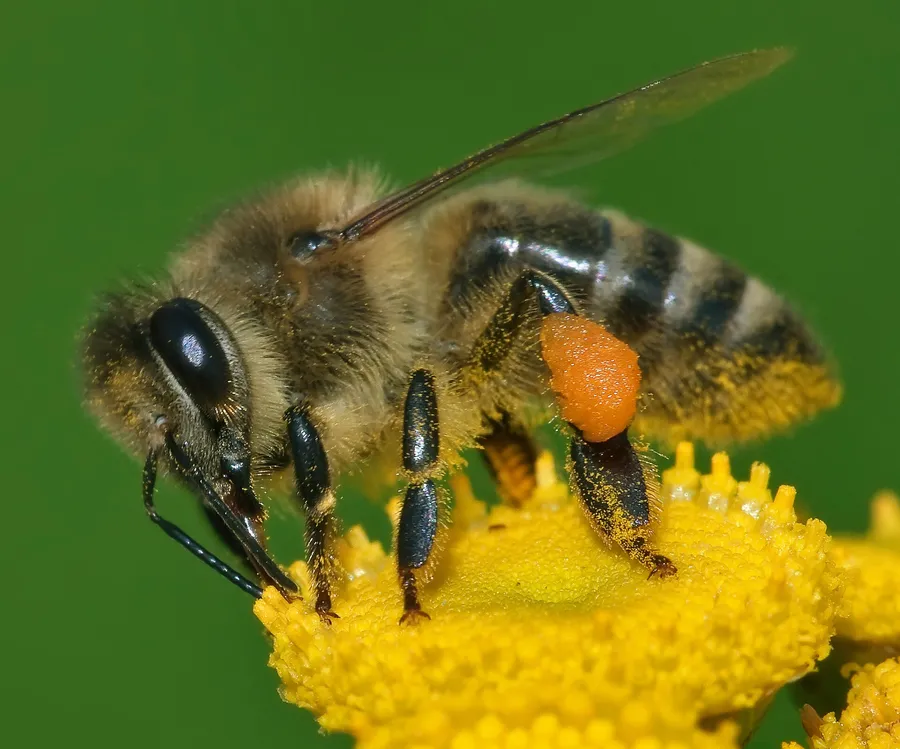
Photo: European Honey Bee

European Honey Bee

Apis mellifera

The western honey bee is a social insect that lives in colonies made up of one queen, many thousands of workers and male drones. Originally found in Europe, Africa and western Asia, it is now kept worldwide for its honey. Workers collect nectar and pollen, pollinating many wild plants and crops along the way. With the waggle dance they show each other the direction and distance of food sources; the queen and the workers have a venomous sting.

In our data the species was reported on 154,550 days in 164 countries, most often in the USA, France and Germany.

Last reported on November 22, 2026 in Greece (Centre Macedonia)

View on the map

Photo: Andreas Trepte, CC BY-SA 2.5

Where the species lives and is reported

Drag to turn the globe

Where it is reported

Most reports come from Europe (70 %), from North America (21 %) and from Oceania (4 %).

Counted are reporting days: days on which the species was reported at least once in a cell.

Where it was reported

Each hexagon is a cell about 40 km across in which people reported the species. The darker, the more days.

  • 154,550reporting days
  • 7,352cells
  • 164countries

Where it stays pale, few reports come in. That does not mean the species is absent there. The latest reports pulse:

  • Centre Macedonia, Greece
  • Western Australia, Australia
  • New York, USA
  • California, USA

Where it is reported most often

For each country, the place where the species was reported on the most days. Tap a place.

This is no promise. It shows where people report it especially often.

Through the year

The species is most likely to be reported in March (48 % more often than the yearly average), least often in November (32 % less often). The bars show the difference from the yearly average, adjusted for the fact that more people are outdoors in summer. On the map, a cell is darker the more of its reports fall in the month shown.

January: 15 % less often than the yearly average.

When is the species reported where?

Green means: in this month the species is reported there clearly more often than in the rest of the year. Blue means: clearly less often. We have adjusted for the fact that more people are outdoors in summer. Tap a square.

How often the species is reported per country and month, compared with the yearly average
CountryJFMAMJJASOND
All countriesreported 15 % less often than the yearly averagereported 35 % more often than the yearly averagereported 48 % more often than the yearly averagereported 21 % more often than the yearly averagereported about as often as the yearly averagereported about as often as the yearly averagereported about as often as the yearly averagereported about as often as the yearly averagereported 14 % less often than the yearly averagereported 20 % less often than the yearly averagereported 32 % less often than the yearly averagereported 19 % less often than the yearly average
USAno clear difference from the yearly averagereported 44 % more often than the yearly averagereported 35 % more often than the yearly averagereported 33 % more often than the yearly averagereported about as often as the yearly averagereported 20 % less often than the yearly averagereported 17 % less often than the yearly averagereported 16 % less often than the yearly averagereported 13 % more often than the yearly averagereported 16 % more often than the yearly averagereported about as often as the yearly averagereported about as often as the yearly average
Francereported 30 % less often than the yearly averagereported 30 % more often than the yearly averagereported 47 % more often than the yearly averagereported 33 % more often than the yearly averagereported about as often as the yearly averagereported about as often as the yearly averagereported about as often as the yearly averagereported 10 % less often than the yearly averagereported 11 % less often than the yearly averagereported 21 % less often than the yearly averagereported 43 % less often than the yearly averagereported 39 % less often than the yearly average
Germanyreported 60 % less often than the yearly averagereported 49 % more often than the yearly averagereported 29 % more often than the yearly averagereported 14 % less often than the yearly averagereported 33 % less often than the yearly averagereported 61 % more often than the yearly averagereported 32 % less often than the yearly averagereported 65 % more often than the yearly averagereported 34 % less often than the yearly averagereported 47 % less often than the yearly averagereported 77 % less often than the yearly averagereported 73 % less often than the yearly average
United Kingdomreported 60 % less often than the yearly averagereported 19 % more often than the yearly averagereported 38 % more often than the yearly averagereported 14 % more often than the yearly averagereported about as often as the yearly averagereported 23 % more often than the yearly averagereported 28 % more often than the yearly averagereported about as often as the yearly averagereported 28 % less often than the yearly averagereported 45 % less often than the yearly averagereported 79 % less often than the yearly averagereported 83 % less often than the yearly average
Swedenreported 80 % less often than the yearly averageno clear difference from the yearly averagereported 2.6 times as often as the yearly averagereported 68 % more often than the yearly averagereported about as often as the yearly averagereported about as often as the yearly averagereported 13 % more often than the yearly averagereported 16 % less often than the yearly averagereported 55 % less often than the yearly averagereported 73 % less often than the yearly averagereported 84 % less often than the yearly averagereported 89 % less often than the yearly average
Belgiumreported 78 % less often than the yearly averagereported 40 % less often than the yearly averagereported 61 % more often than the yearly averagereported 17 % more often than the yearly averagereported 13 % more often than the yearly averagereported 33 % more often than the yearly averagereported 16 % more often than the yearly averagereported about as often as the yearly averagereported 16 % less often than the yearly averagereported 41 % less often than the yearly averagereported 67 % less often than the yearly averagereported 70 % less often than the yearly average
Australiareported 18 % less often than the yearly averagereported 20 % less often than the yearly averagereported 23 % less often than the yearly averagereported 19 % less often than the yearly averagereported 42 % less often than the yearly averagereported 24 % less often than the yearly averagereported 26 % more often than the yearly averagereported 50 % more often than the yearly averagereported 49 % more often than the yearly averagereported 31 % more often than the yearly averagereported 13 % more often than the yearly averagereported about as often as the yearly average
Canadareported 80 % less often than the yearly averagereported 54 % less often than the yearly averageno clear difference from the yearly averagereported 37 % more often than the yearly averagereported about as often as the yearly averagereported 16 % less often than the yearly averagereported about as often as the yearly averagereported about as often as the yearly averagereported 52 % more often than the yearly averageno clear difference from the yearly averagereported 69 % less often than the yearly averagereported 86 % less often than the yearly average
much less oftenless oftenno clear differencemore oftenmuch more often

In the USA in February: reported 44 % more often than the yearly average. This is the strongest month there.

Who is reported in the same cells

In how many of 10 areas of this species the other species was reported as well. Counted are the 3,949 cells in which this species is reported regularly; compared with the other species that have a page.

Latest reports on the map

The map shows every cell with reports of this species, including the latest ones, and every other species as well.

View the European Honey Bee on the map