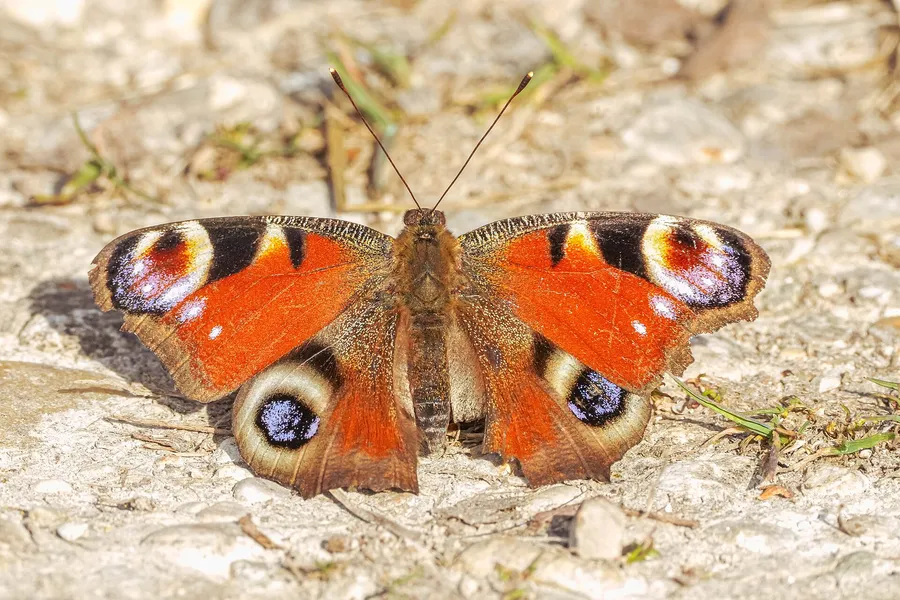
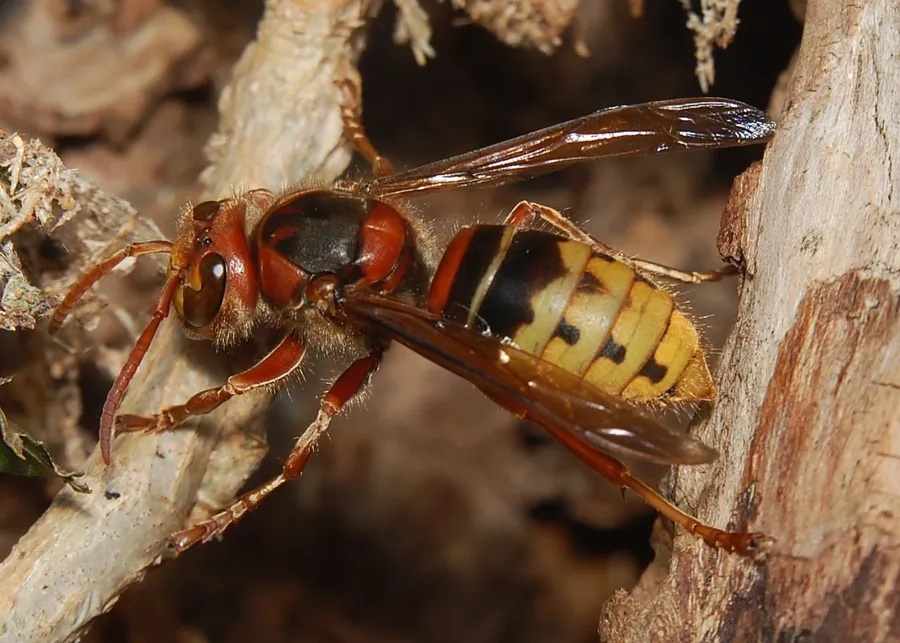
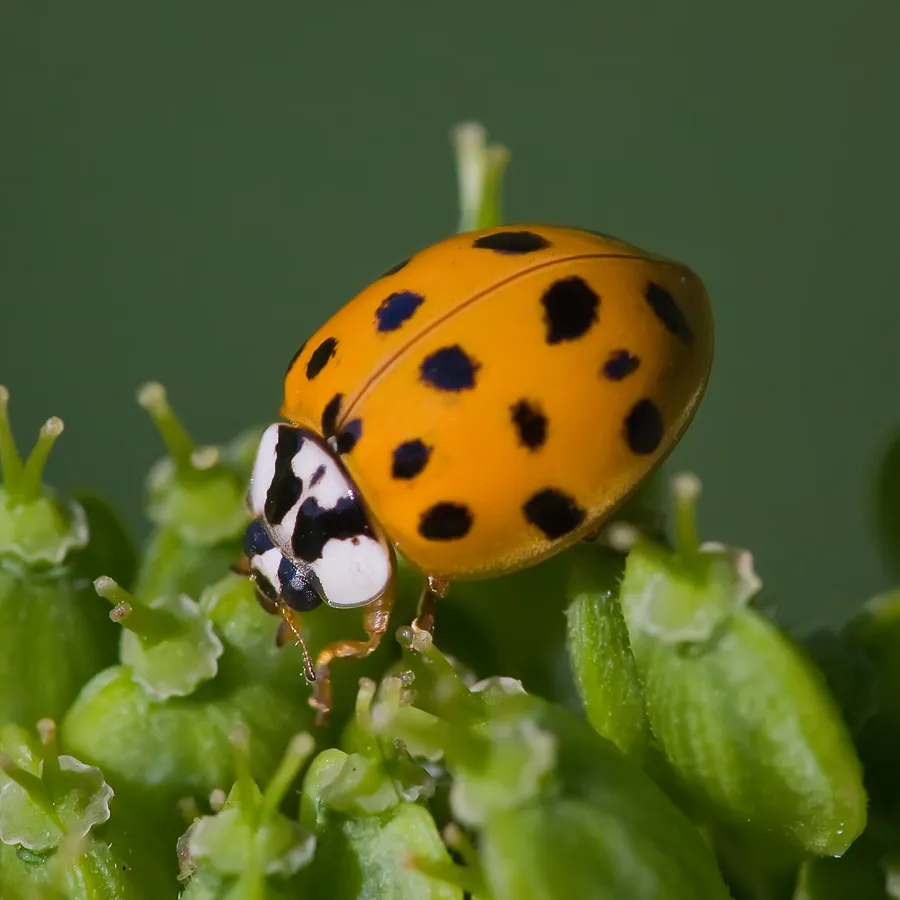
| All countries | reported 75 % less often than the yearly average | reported 55 % less often than the yearly average | reported 22 % less often than the yearly average | reported 57 % less often than the yearly average | reported 61 % less often than the yearly average | reported 17 % more often than the yearly average | reported 31 % more often than the yearly average | reported 51 % more often than the yearly average | reported 46 % more often than the yearly average | reported about as often as the yearly average | reported 76 % less often than the yearly average | reported 87 % less often than the yearly average |
|---|
| France | reported 72 % less often than the yearly average | reported 58 % less often than the yearly average | reported about as often as the yearly average | reported 39 % less often than the yearly average | reported 38 % less often than the yearly average | reported 26 % more often than the yearly average | reported 36 % more often than the yearly average | reported 35 % more often than the yearly average | reported 23 % more often than the yearly average | reported about as often as the yearly average | reported 82 % less often than the yearly average | reported 91 % less often than the yearly average |
|---|
| Germany | reported 90 % less often than the yearly average | reported 65 % less often than the yearly average | reported 47 % less often than the yearly average | reported 70 % less often than the yearly average | reported 85 % less often than the yearly average | reported 17 % more often than the yearly average | reported 45 % more often than the yearly average | reported 84 % more often than the yearly average | reported 53 % more often than the yearly average | reported about as often as the yearly average | reported 78 % less often than the yearly average | reported 89 % less often than the yearly average |
|---|
| Sweden | reported 96 % less often than the yearly average | no reports | reported 99 % less often than the yearly average | reported 97 % less often than the yearly average | reported 95 % less often than the yearly average | reported 58 % less often than the yearly average | reported 24 % less often than the yearly average | reported 2.1 times as often as the yearly average | reported 3.6 times as often as the yearly average | reported 39 % more often than the yearly average | reported 85 % less often than the yearly average | reported 97 % less often than the yearly average |
|---|
| Switzerland | reported 64 % less often than the yearly average | reported 60 % less often than the yearly average | reported 27 % less often than the yearly average | reported 40 % less often than the yearly average | reported 49 % less often than the yearly average | reported 90 % more often than the yearly average | reported 38 % more often than the yearly average | reported about as often as the yearly average | reported about as often as the yearly average | reported about as often as the yearly average | reported 62 % less often than the yearly average | reported 87 % less often than the yearly average |
|---|
| Austria | reported 83 % less often than the yearly average | reported 83 % less often than the yearly average | reported 74 % less often than the yearly average | reported 78 % less often than the yearly average | reported 83 % less often than the yearly average | reported 48 % more often than the yearly average | reported 71 % more often than the yearly average | reported about as often as the yearly average | reported 32 % more often than the yearly average | no clear difference from the yearly average | reported 61 % less often than the yearly average | reported 82 % less often than the yearly average |
|---|
| United Kingdom | no clear difference from the yearly average | reported 86 % less often than the yearly average | reported 88 % less often than the yearly average | reported 87 % less often than the yearly average | reported 74 % less often than the yearly average | reported 22 % more often than the yearly average | reported 2 times as often as the yearly average | reported 2 times as often as the yearly average | no clear difference from the yearly average | reported 55 % less often than the yearly average | reported 86 % less often than the yearly average | no reports |
|---|
| Finland | no clear difference from the yearly average | no clear difference from the yearly average | reported 96 % less often than the yearly average | reported 97 % less often than the yearly average | reported 93 % less often than the yearly average | reported 67 % less often than the yearly average | reported 54 % less often than the yearly average | reported 2.7 times as often as the yearly average | reported 2.9 times as often as the yearly average | reported 61 % less often than the yearly average | reported 87 % less often than the yearly average | no clear difference from the yearly average |
|---|
| Spain | reported 51 % less often than the yearly average | no clear difference from the yearly average | reported 74 % more often than the yearly average | no clear difference from the yearly average | no clear difference from the yearly average | reported 26 % more often than the yearly average | reported 24 % less often than the yearly average | no clear difference from the yearly average | no clear difference from the yearly average | no clear difference from the yearly average | reported 47 % less often than the yearly average | no clear difference from the yearly average |
|---|
 Wildpulse Map