Wildpulse Map
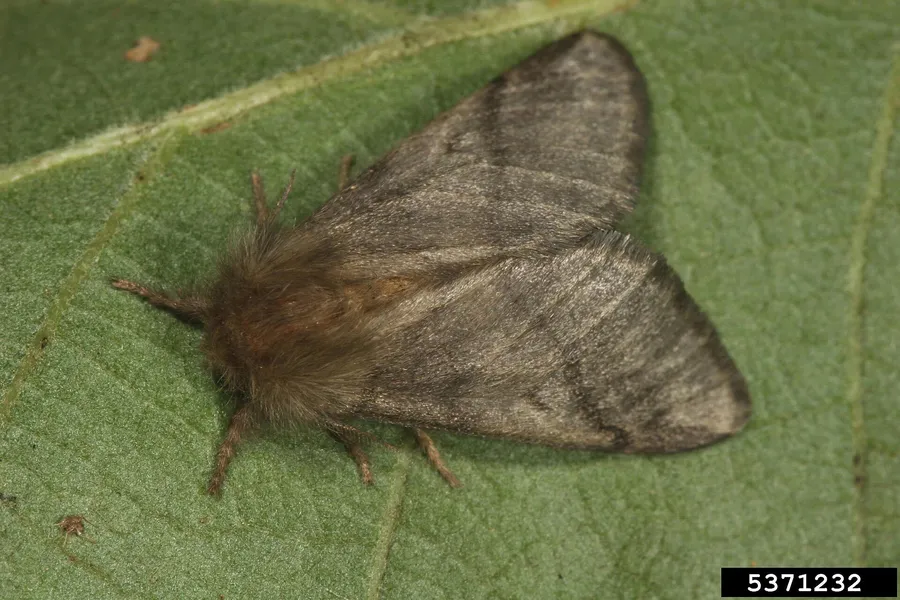
Photo: Oak Processionary

Oak Processionary

Thaumetopoea processionea

The oak processionary is a drab, brownish moth best known for its hairy caterpillars. They live on oaks across central and southern Europe, feeding on the leaves and crawling out at night in long nose-to-tail lines, which gives the species its name. Between feeds they rest in silken nests on trunks and branches. The caterpillars are a public health problem: their tiny irritating hairs break off easily, drift on the air and can cause itchy rashes, eye irritation and breathing trouble. The hairs stay active in the surroundings for years.

In our data the species was reported on 4,954 days in 18 countries, most often in France, Germany and the Netherlands.

Last reported on November 18, 2026 in Germany (Saxony)

View on the map

Photo: Gyorgy Csoka, Hungary Forest Research Institute, Bugwood.org, CC BY 3.0 us

Where the species lives and is reported

Drag to turn the globe

Where it is reported

Most reports come from Europe (100 %).

Counted are reporting days: days on which the species was reported at least once in a cell.

Where it was reported

Each hexagon is a cell about 40 km across in which people reported the species. The darker, the more days.

  • 4,954reporting days
  • 463cells
  • 18countries

Where it stays pale, few reports come in. That does not mean the species is absent there. The latest reports pulse:

  • Saxony, Germany
  • Brandenburg, Germany
  • Rhineland-Palatinate, Germany
  • Skåne, Sweden

Where it is reported most often

For each country, the place where the species was reported on the most days. Tap a place.

This is no promise. It shows where people report it especially often.

Through the year

The species is most likely to be reported in August (214 % more often than the yearly average), least often in April (86 % less often). The bars show the difference from the yearly average, adjusted for the fact that more people are outdoors in summer. On the map, a cell is darker the more of its reports fall in the month shown.

January: 13 % more often than the yearly average.

When is the species reported where?

Green means: in this month the species is reported there clearly more often than in the rest of the year. Blue means: clearly less often. We have adjusted for the fact that more people are outdoors in summer. Tap a square.

How often the species is reported per country and month, compared with the yearly average
CountryJFMAMJJASOND
All countriesno clear difference from the yearly averagereported 60 % less often than the yearly averagereported 77 % less often than the yearly averagereported 86 % less often than the yearly averagereported 61 % less often than the yearly averagereported about as often as the yearly averagereported 56 % more often than the yearly averagereported 3.1 times as often as the yearly averagereported 53 % less often than the yearly averagereported 84 % less often than the yearly averagereported 68 % less often than the yearly averagereported 49 % less often than the yearly average
Franceno clear difference from the yearly averagereported 66 % less often than the yearly averagereported 74 % less often than the yearly averagereported 89 % less often than the yearly averagereported 57 % less often than the yearly averagereported 24 % more often than the yearly averagereported 34 % more often than the yearly averagereported 2.9 times as often as the yearly averagereported 36 % less often than the yearly averagereported 81 % less often than the yearly averagereported 60 % less often than the yearly averagereported 62 % less often than the yearly average
Germanyno clear difference from the yearly averagereported 48 % less often than the yearly averagereported 79 % less often than the yearly averagereported 77 % less often than the yearly averagereported 56 % less often than the yearly averageno clear difference from the yearly averagereported 78 % more often than the yearly averagereported 2.8 times as often as the yearly averagereported 70 % less often than the yearly averagereported 79 % less often than the yearly averagereported 69 % less often than the yearly averageno clear difference from the yearly average
Netherlandsno clear difference from the yearly averageno clear difference from the yearly averagereported 92 % less often than the yearly averageno reportsreported 77 % less often than the yearly averageno clear difference from the yearly averagereported 50 % more often than the yearly averagereported 4.3 times as often as the yearly averagereported 68 % less often than the yearly averageno reportsno clear difference from the yearly averageno clear difference from the yearly average
Switzerlandno clear difference from the yearly averageno clear difference from the yearly averageno reportsreported 95 % less often than the yearly averagereported 93 % less often than the yearly averagereported 78 % less often than the yearly averageno clear difference from the yearly averagereported 4.6 times as often as the yearly averageno clear difference from the yearly averagereported 95 % less often than the yearly averageno clear difference from the yearly averageno clear difference from the yearly average
United Kingdomno clear difference from the yearly averageno clear difference from the yearly averagereported 85 % less often than the yearly averagereported 95 % less often than the yearly averagereported 84 % less often than the yearly averageno clear difference from the yearly averagereported 3.1 times as often as the yearly averagereported 3.8 times as often as the yearly averagereported 70 % less often than the yearly averageno reportsno clear difference from the yearly averageno clear difference from the yearly average
Belgiumreported 6.7 times as often as the yearly averageno clear difference from the yearly averageno clear difference from the yearly averageno reportsreported 72 % less often than the yearly averageno clear difference from the yearly averagereported about as often as the yearly averagereported 3.4 times as often as the yearly averageno clear difference from the yearly averagereported 92 % less often than the yearly averageno clear difference from the yearly averageno clear difference from the yearly average
Austriano clear difference from the yearly averageno clear difference from the yearly averageno clear difference from the yearly averageno clear difference from the yearly averageno clear difference from the yearly averagereported about as often as the yearly averagereported about as often as the yearly averagereported 3.2 times as often as the yearly averageno clear difference from the yearly averageno clear difference from the yearly averageno clear difference from the yearly averageno clear difference from the yearly average
Hungaryno clear difference from the yearly averageno clear difference from the yearly averageno clear difference from the yearly averageno clear difference from the yearly averageno clear difference from the yearly averageno clear difference from the yearly averageno clear difference from the yearly averagereported 5.4 times as often as the yearly averageno clear difference from the yearly averageno clear difference from the yearly averageno clear difference from the yearly averageno clear difference from the yearly average
much less oftenless oftenno clear differencemore oftenmuch more often

In France in August: reported 2.9 times as often as the yearly average. This is the strongest month there.

Who is reported in the same cells

In how many of 10 areas of this species the other species was reported as well. Counted are the 279 cells in which this species is reported regularly; compared with the other species that have a page.

Latest reports on the map

The map shows every cell with reports of this species, including the latest ones, and every other species as well.

View the Oak Processionary on the map