Wildpulse Map
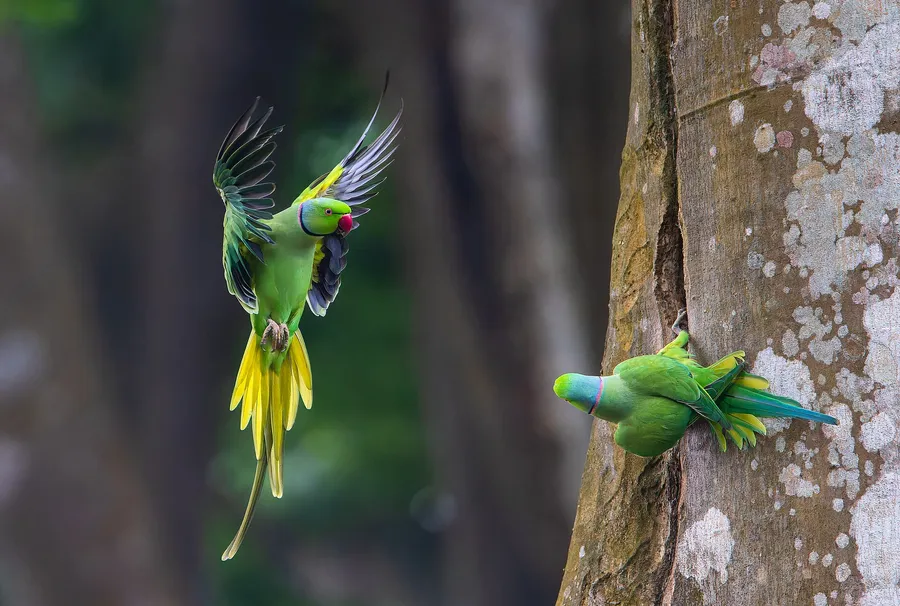
Photo: Rose-ringed Parakeet

Rose-ringed Parakeet

Psittacula krameri

The rose-ringed parakeet is a bright green parrot with a red beak and a long tail; adult males wear a pink and black ring around the neck. It is native to sub-Saharan Africa and South Asia. Escaped pets have founded populations in many cities worldwide, including London and towns along the Rhine. It feeds on buds, fruit, seeds, nuts, nectar and grain, has a loud, squawking call, and can cause extensive damage in orchards and farmland.

In our data the species was reported on 645,983 days in 129 countries, most often in India, the United Kingdom and France.

Last reported on November 22, 2026 in Turkey (Istanbul)

View on the map

Photo: A. H. M Ibnul Arabi, CC BY-SA 4.0

Size and way of life

Wingspan
45 cmfrom wingtip to wingtip

Where the species lives and is reported

Drag to turn the globe

Where it is reported

Most reports come from Asia (72 %), from Europe (22 %) and from Africa (3 %).

Counted are reporting days: days on which the species was reported at least once in a cell.

Where it was reported

Each hexagon is a cell about 40 km across in which people reported the species. The darker, the more days.

  • 645,983reporting days
  • 4,176cells
  • 129countries

Where it stays pale, few reports come in. That does not mean the species is absent there. The latest reports pulse:

  • Istanbul, Turkey
  • Hérault, France
  • Essex, United Kingdom
  • Croydon, United Kingdom

Where it is reported most often

For each country, the place where the species was reported on the most days. Tap a place.

This is no promise. It shows where people report it especially often.

Through the year

The species is most likely to be reported in February (20 % more often than the yearly average), least often in July (20 % less often). The bars show the difference from the yearly average, adjusted for the fact that more people are outdoors in summer. On the map, a cell is darker the more of its reports fall in the month shown.

January: 13 % more often than the yearly average.

When is the species reported where?

Green means: in this month the species is reported there clearly more often than in the rest of the year. Blue means: clearly less often. We have adjusted for the fact that more people are outdoors in summer. Tap a square.

How often the species is reported per country and month, compared with the yearly average
CountryJFMAMJJASOND
All countriesreported 13 % more often than the yearly averagereported 20 % more often than the yearly averagereported about as often as the yearly averagereported about as often as the yearly averagereported 10 % less often than the yearly averagereported 17 % less often than the yearly averagereported 20 % less often than the yearly averagereported 14 % less often than the yearly averagereported about as often as the yearly averagereported about as often as the yearly averagereported 12 % more often than the yearly averagereported 16 % more often than the yearly average
Indiareported about as often as the yearly averagereported about as often as the yearly averagereported about as often as the yearly averagereported about as often as the yearly averagereported about as often as the yearly averagereported about as often as the yearly averagereported about as often as the yearly averagereported about as often as the yearly averagereported about as often as the yearly averagereported about as often as the yearly averagereported about as often as the yearly averagereported about as often as the yearly average
United Kingdomreported 12 % more often than the yearly averagereported about as often as the yearly averagereported about as often as the yearly averagereported about as often as the yearly averagereported 10 % less often than the yearly averagereported 21 % less often than the yearly averagereported 25 % less often than the yearly averagereported about as often as the yearly averagereported about as often as the yearly averagereported 11 % more often than the yearly averagereported 18 % more often than the yearly averagereported 16 % more often than the yearly average
Francereported 20 % more often than the yearly averagereported about as often as the yearly averagereported about as often as the yearly averagereported about as often as the yearly averagereported about as often as the yearly averagereported 14 % less often than the yearly averagereported 27 % less often than the yearly averagereported 27 % less often than the yearly averagereported about as often as the yearly averagereported about as often as the yearly averagereported 11 % more often than the yearly averagereported 17 % more often than the yearly average
Sri Lankareported about as often as the yearly averagereported about as often as the yearly averagereported about as often as the yearly averagereported about as often as the yearly averagereported about as often as the yearly averagereported about as often as the yearly averagereported about as often as the yearly averagereported about as often as the yearly averagereported about as often as the yearly averagereported about as often as the yearly averagereported about as often as the yearly averagereported about as often as the yearly average
Spainreported 11 % more often than the yearly averagereported 16 % more often than the yearly averagereported 11 % more often than the yearly averagereported about as often as the yearly averagereported about as often as the yearly averagereported 16 % less often than the yearly averagereported 26 % less often than the yearly averagereported 22 % less often than the yearly averagereported about as often as the yearly averagereported about as often as the yearly averagereported about as often as the yearly averagereported about as often as the yearly average
Germanyreported 30 % more often than the yearly averagereported about as often as the yearly averagereported about as often as the yearly averagereported about as often as the yearly averagereported about as often as the yearly averagereported about as often as the yearly averagereported 18 % less often than the yearly averagereported 26 % less often than the yearly averagereported about as often as the yearly averagereported about as often as the yearly averagereported about as often as the yearly averagereported 15 % more often than the yearly average
Israelreported about as often as the yearly averagereported about as often as the yearly averagereported about as often as the yearly averagereported about as often as the yearly averagereported about as often as the yearly averagereported about as often as the yearly averagereported 10 % less often than the yearly averagereported about as often as the yearly averagereported about as often as the yearly averagereported about as often as the yearly averagereported about as often as the yearly averagereported about as often as the yearly average
USAreported 18 % more often than the yearly averagereported 30 % more often than the yearly averagereported 26 % more often than the yearly averagereported 16 % more often than the yearly averagereported about as often as the yearly averagereported 15 % less often than the yearly averagereported 20 % less often than the yearly averagereported 20 % less often than the yearly averagereported 20 % less often than the yearly averagereported about as often as the yearly averagereported about as often as the yearly averagereported about as often as the yearly average
much less oftenless oftenno clear differencemore oftenmuch more often

In India in February: reported about as often as the yearly average.

Who is reported in the same cells

In how many of 10 areas of this species the other species was reported as well. Counted are the 2,974 cells in which this species is reported regularly; compared with the other species that have a page.

Latest reports on the map

The map shows every cell with reports of this species, including the latest ones, and every other species as well.

View the Rose-ringed Parakeet on the map