Wildpulse Map
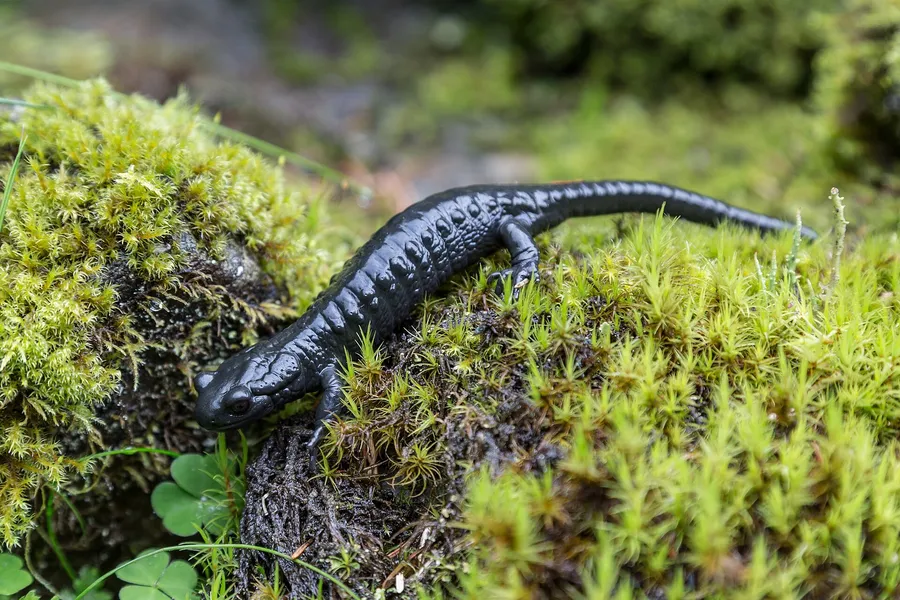
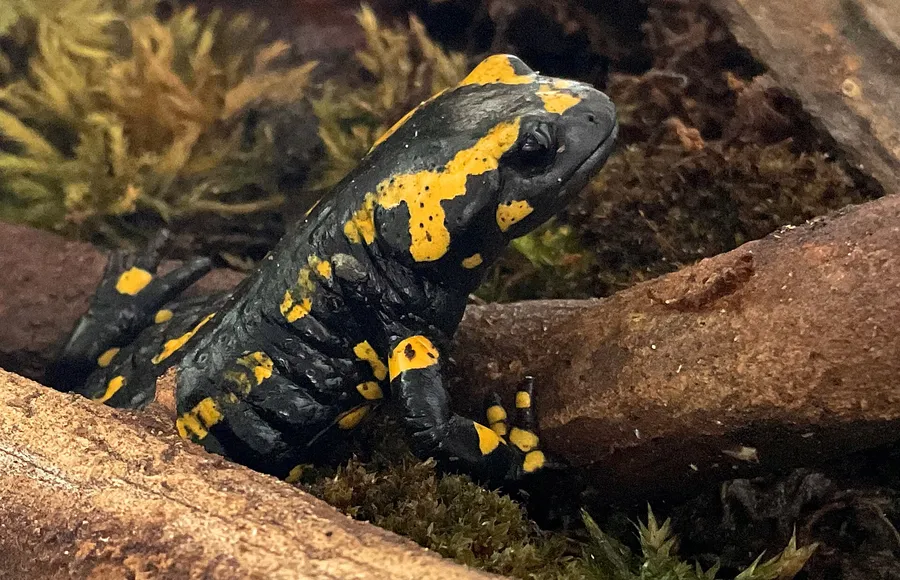
Photo: Alpine Salamander

Alpine Salamander

Salamandra atra

The alpine salamander is a glossy black salamander that spends its whole life on land. It lives in the Alps and a few other European mountain ranges, in damp woodland, scree and alpine meadows. It hunts insects, spiders, woodlice, snails and earthworms, and its skin produces toxic compounds. Its breeding is remarkable: the young develop inside the mother and are born as fully formed salamanders after a pregnancy of around two years, or up to three at high altitude.

In our data the species was reported on 4,977 days in 7 countries, most often in Switzerland, Austria and Germany.

Last reported on September 16, 2026 in Germany (Bavaria)

View on the map

Photo: styko, CC BY-SA 4.0

Where the species lives and is reported

Drag to turn the globe

Where it is reported

Most reports come from Europe (100 %).

Counted are reporting days: days on which the species was reported at least once in a cell.

Where it was reported

Each hexagon is a cell about 40 km across in which people reported the species. The darker, the more days.

  • 4,977reporting days
  • 126cells
  • 7countries

Where it stays pale, few reports come in. That does not mean the species is absent there. The latest reports pulse:

  • Bavaria, Germany
  • Tyrol, Austria
  • Salzburg, Austria
  • Fribourg, Switzerland

Where it is reported most often

For each country, the place where the species was reported on the most days. Tap a place.

This is no promise. It shows where people report it especially often.

Through the year

The species is most likely to be reported in July (134 % more often than the yearly average), least often in March (98 % less often). The bars show the difference from the yearly average, adjusted for the fact that more people are outdoors in summer. On the map, a cell is darker the more of its reports fall in the month shown.

January: 49 % less often than the yearly average.

When is the species reported where?

Green means: in this month the species is reported there clearly more often than in the rest of the year. Blue means: clearly less often. We have adjusted for the fact that more people are outdoors in summer. Tap a square.

How often the species is reported per country and month, compared with the yearly average
CountryJFMAMJJASOND
All countriesreported 49 % less often than the yearly averagereported 98 % less often than the yearly averagereported 98 % less often than the yearly averagereported 91 % less often than the yearly averagereported 31 % less often than the yearly averagereported 88 % more often than the yearly averagereported 2.3 times as often as the yearly averagereported 2.2 times as often as the yearly averagereported 34 % more often than the yearly averagereported 68 % less often than the yearly averagereported 93 % less often than the yearly averagereported 85 % less often than the yearly average
Switzerlandno clear difference from the yearly averageno reportsreported 99 % less often than the yearly averagereported 93 % less often than the yearly averagereported 33 % less often than the yearly averagereported 76 % more often than the yearly averagereported 2 times as often as the yearly averagereported 2.1 times as often as the yearly averagereported 29 % more often than the yearly averagereported 67 % less often than the yearly averagereported 96 % less often than the yearly averageno clear difference from the yearly average
Austriano clear difference from the yearly averageno clear difference from the yearly averageno reportsreported 98 % less often than the yearly averageno clear difference from the yearly averagereported 65 % more often than the yearly averagereported 72 % more often than the yearly averageno clear difference from the yearly averageno clear difference from the yearly averagereported 96 % less often than the yearly averageno clear difference from the yearly averageno clear difference from the yearly average
Germanyno clear difference from the yearly averageno clear difference from the yearly averageno reportsreported 93 % less often than the yearly averageno clear difference from the yearly averagereported 2 times as often as the yearly averagereported 2 times as often as the yearly averageno clear difference from the yearly averageno clear difference from the yearly averageno clear difference from the yearly averageno clear difference from the yearly averageno clear difference from the yearly average
Franceno clear difference from the yearly averageno clear difference from the yearly averagereported 80 % less often than the yearly averageno clear difference from the yearly averagereported about as often as the yearly averagereported 2.1 times as often as the yearly averageno clear difference from the yearly averageno clear difference from the yearly averageno clear difference from the yearly averagereported about as often as the yearly averageno clear difference from the yearly averageno clear difference from the yearly average
much less oftenless oftenno clear differencemore oftenmuch more often

In Switzerland in August: reported 2.1 times as often as the yearly average. This is the strongest month there.

Who is reported in the same cells

In how many of 10 areas of this species the other species was reported as well. Counted are the 69 cells in which this species is reported regularly; compared with the other species that have a page.

Latest reports on the map

The map shows every cell with reports of this species, including the latest ones, and every other species as well.

View the Alpine Salamander on the map