Wildpulse Map
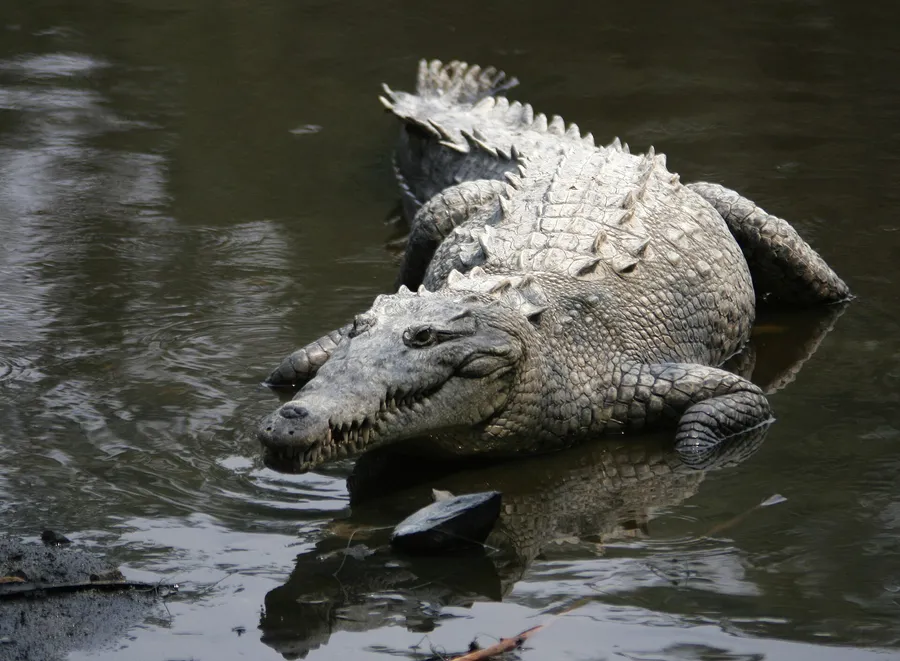
Photo: American Crocodile

American Crocodile

Crocodylus acutus

The American crocodile is a large crocodilian with a long, fairly narrow snout. Most stay under four metres, though big males grow considerably longer. It lives along coasts, in mangroves, lagoons and river mouths from southern Florida through the Caribbean and Central America to northern South America. Young crocodiles catch insects; adults take fish, turtles, birds and mammals. It tolerates salt water well and even lives on small islands without fresh water.

In our data the species was reported on 1,122 days in 17 countries, most often in Costa Rica, the USA and Mexico.

Last reported on November 6, 2026 in Mexico (Colima)

View on the map

Photo: Tomás Castelazo, CC BY-SA 2.5

Where the species lives and is reported

Drag to turn the globe

Where it is reported

Most reports come from North America (98 %).

Counted are reporting days: days on which the species was reported at least once in a cell.

Where it was reported

Each hexagon is a cell about 40 km across in which people reported the species. The darker, the more days.

  • 1,122reporting days
  • 141cells
  • 17countries

Where it stays pale, few reports come in. That does not mean the species is absent there. The latest reports pulse:

  • Colima, Mexico
  • Guayas, Ecuador
  • Guanacaste, Costa Rica
  • Panamá, Panama

Where it is reported most often

For each country, the place where the species was reported on the most days. Tap a place.

This is no promise. It shows where people report it especially often.

Through the year

The species is most likely to be reported in February (45 % more often than the yearly average), least often in September (46 % less often). The bars show the difference from the yearly average, adjusted for the fact that more people are outdoors in summer. On the map, a cell is darker the more of its reports fall in the month shown.

January: 35 % more often than the yearly average.

When is the species reported where?

Green means: in this month the species is reported there clearly more often than in the rest of the year. Blue means: clearly less often. We have adjusted for the fact that more people are outdoors in summer. Tap a square.

How often the species is reported per country and month, compared with the yearly average
CountryJFMAMJJASOND
All countriesreported 35 % more often than the yearly averagereported 45 % more often than the yearly averageno clear difference from the yearly averagereported 31 % less often than the yearly averageno clear difference from the yearly averageno clear difference from the yearly averageno clear difference from the yearly averagereported 33 % less often than the yearly averagereported 46 % less often than the yearly averageno clear difference from the yearly averagereported about as often as the yearly averageno clear difference from the yearly average
Costa Ricano clear difference from the yearly averageno clear difference from the yearly averagereported about as often as the yearly averageno clear difference from the yearly averagereported about as often as the yearly averagereported about as often as the yearly averagereported about as often as the yearly averageno clear difference from the yearly averageno clear difference from the yearly averageno clear difference from the yearly averageno clear difference from the yearly averagereported about as often as the yearly average
USAreported 64 % more often than the yearly averagereported 77 % more often than the yearly averageno clear difference from the yearly averageno clear difference from the yearly averageno clear difference from the yearly averageno clear difference from the yearly averageno clear difference from the yearly averageno clear difference from the yearly averageno clear difference from the yearly averageno clear difference from the yearly averagereported about as often as the yearly averagereported 2 times as often as the yearly average
Mexicono clear difference from the yearly averageno clear difference from the yearly averageno clear difference from the yearly averagereported about as often as the yearly averageno clear difference from the yearly averagereported 77 % less often than the yearly averageno clear difference from the yearly averageno clear difference from the yearly averageno clear difference from the yearly averagereported about as often as the yearly averageno clear difference from the yearly averageno clear difference from the yearly average
Panamareported about as often as the yearly averagereported about as often as the yearly averageno clear difference from the yearly averageno clear difference from the yearly averagereported about as often as the yearly averageno clear difference from the yearly averageno clear difference from the yearly averageno clear difference from the yearly averageno clear difference from the yearly averageno clear difference from the yearly averagereported about as often as the yearly averagereported about as often as the yearly average
much less oftenless oftenno clear differencemore oftenmuch more often

In Costa Rica in February: no clear difference from the yearly average. There are too few reports there to tell.

Who is reported in the same cells

In how many of 10 areas of this species the other species was reported as well. Counted are the 68 cells in which this species is reported regularly; compared with the other species that have a page.

Latest reports on the map

The map shows every cell with reports of this species, including the latest ones, and every other species as well.

View the American Crocodile on the map