Where it is reported
Most reports come from North America (86 %) and from Oceania (11 %).
Counted are reporting days: days on which the species was reported at least once in a cell.
 Wildpulse Map
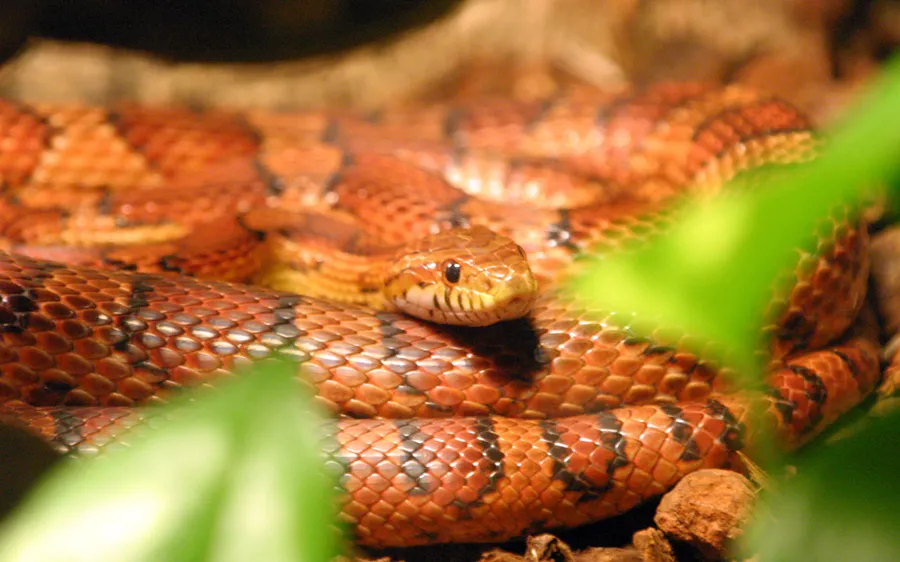
Pantherophis guttatus
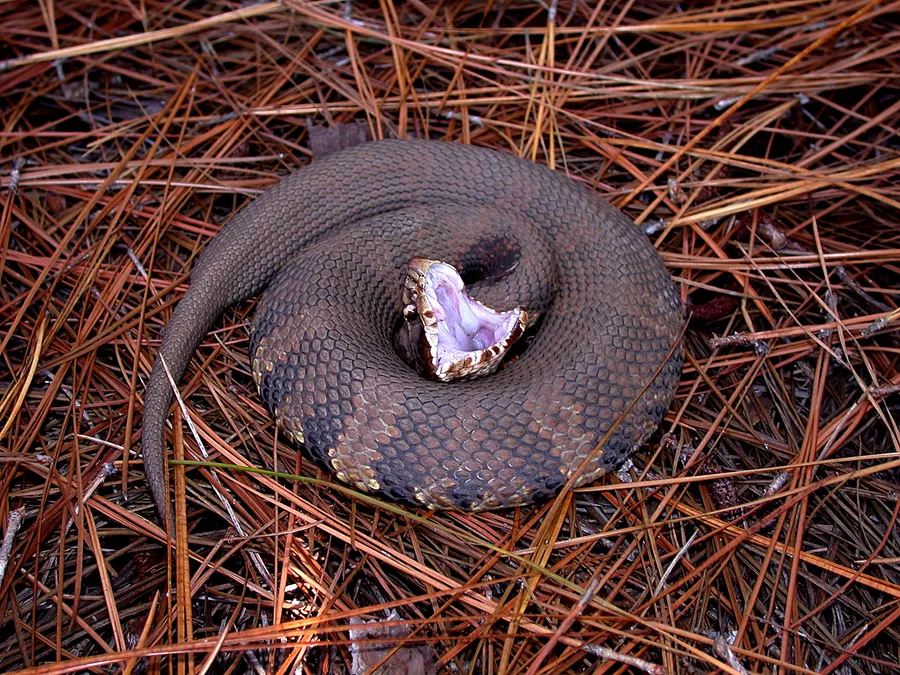
The corn snake is a rat snake, usually orange or brown with large red, black-edged blotches and a checkered belly. It lives in the southeastern and central United States, in overgrown fields, forest clearings and around farms and old buildings. It hunts mice and rats and kills them by constriction, which helps keep rodent pests in check. Its name probably comes either from its habit of hunting around grain stores or from the resemblance of its belly pattern to multicoloured corn.
In our data the species was reported on 551 days in 7 countries, most often in the USA, Australia and Belgium.
Last reported on November 20, 2026 in the USA (Florida)
Photo: unknown, Public domain
The area of each dot matches the weight.
Most reports come from North America (86 %) and from Oceania (11 %).
Counted are reporting days: days on which the species was reported at least once in a cell.
Each hexagon is a cell about 40 km across in which people reported the species. The darker, the more days.
Where it stays pale, few reports come in. That does not mean the species is absent there. The latest reports pulse:
For each country, the place where the species was reported on the most days. Tap a place.
This is no promise. It shows where people report it especially often.
The species is most likely to be reported in May (70 % more often than the yearly average), least often in January (53 % less often). The bars show the difference from the yearly average, adjusted for the fact that more people are outdoors in summer. On the map, a cell is darker the more of its reports fall in the month shown.
January: 53 % less often than the yearly average.
Green means: in this month the species is reported there clearly more often than in the rest of the year. Blue means: clearly less often. We have adjusted for the fact that more people are outdoors in summer. Tap a square.
| J | F | M | A | M | J | J | A | S | O | N | D | |
|---|---|---|---|---|---|---|---|---|---|---|---|---|
| All countries | ||||||||||||
| USA | ||||||||||||
| Australia |
In the USA in May: reported 57 % more often than the yearly average. This is the strongest month there.
In how many of 10 areas of this species the other species was reported as well. Counted are the 58 cells in which this species is reported regularly; compared with the other species that have a page.
The map shows every cell with reports of this species, including the latest ones, and every other species as well.
View the Corn Snake on the map