Wildpulse Map
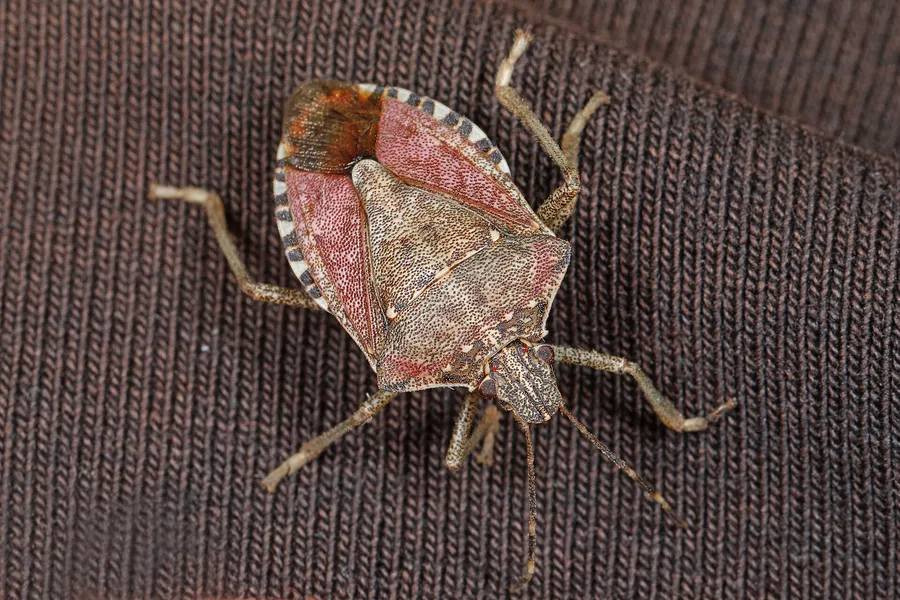
Photo: Brown Marmorated Stink Bug

Brown Marmorated Stink Bug

Halyomorpha halys

The brown marmorated stink bug is a mottled grey-brown shield bug a little over a centimetre long, with white bands on its antennae and black-and-white markings along the edge of its body. Native to East Asia, it was accidentally introduced to North America and Europe, where it keeps spreading. It sucks sap from more than a hundred plant species, including peaches, apples, hazelnuts, vegetables, maize and soybeans, and causes heavy crop losses. In autumn it seeks shelter in houses to overwinter, and when disturbed it releases a pungent smell often compared to coriander.

In our data the species was reported on 17,605 days in 50 countries, most often in the USA, Germany and France.

Last reported on November 21, 2026 in Austria (Styria)

View on the map

Photo: Judy Gallagher, CC BY 2.0

Where the species lives and is reported

Drag to turn the globe

Where it is reported

Most reports come from Europe (64 %) and from North America (33 %).

Counted are reporting days: days on which the species was reported at least once in a cell.

Where it was reported

Each hexagon is a cell about 40 km across in which people reported the species. The darker, the more days.

  • 17,605reporting days
  • 1,858cells
  • 50countries

Where it stays pale, few reports come in. That does not mean the species is absent there. The latest reports pulse:

  • Styria, Austria
  • Kyiv, Ukraine
  • Maryland, USA
  • Illinois, USA

Where it is reported most often

For each country, the place where the species was reported on the most days. Tap a place.

This is no promise. It shows where people report it especially often.

Through the year

The species is most likely to be reported in October (119 % more often than the yearly average), least often in May (57 % less often). The bars show the difference from the yearly average, adjusted for the fact that more people are outdoors in summer. On the map, a cell is darker the more of its reports fall in the month shown.

January: 65 % more often than the yearly average.

When is the species reported where?

Green means: in this month the species is reported there clearly more often than in the rest of the year. Blue means: clearly less often. We have adjusted for the fact that more people are outdoors in summer. Tap a square.

How often the species is reported per country and month, compared with the yearly average
CountryJFMAMJJASOND
All countriesreported 65 % more often than the yearly averagereported 36 % more often than the yearly averagereported 28 % less often than the yearly averagereported 37 % less often than the yearly averagereported 57 % less often than the yearly averagereported 53 % less often than the yearly averagereported 21 % less often than the yearly averagereported 17 % more often than the yearly averagereported 54 % more often than the yearly averagereported 2.2 times as often as the yearly averagereported 37 % more often than the yearly averagereported 88 % more often than the yearly average
USAreported 2.3 times as often as the yearly averagereported 2 times as often as the yearly averagereported about as often as the yearly averageno clear difference from the yearly averagereported 45 % less often than the yearly averagereported 52 % less often than the yearly averagereported 23 % less often than the yearly averagereported about as often as the yearly averagereported 37 % more often than the yearly averagereported 80 % more often than the yearly averagereported about as often as the yearly averagereported 2.4 times as often as the yearly average
Germanyreported 2.3 times as often as the yearly averagereported 33 % more often than the yearly averagereported 31 % less often than the yearly averagereported 49 % less often than the yearly averagereported 60 % less often than the yearly averagereported 52 % less often than the yearly averagereported 27 % less often than the yearly averageno clear difference from the yearly averagereported 49 % more often than the yearly averagereported 2.4 times as often as the yearly averagereported 81 % more often than the yearly averagereported 2.4 times as often as the yearly average
Franceno clear difference from the yearly averageno clear difference from the yearly averagereported 41 % less often than the yearly averagereported 48 % less often than the yearly averagereported 65 % less often than the yearly averagereported 57 % less often than the yearly averagereported 20 % less often than the yearly averagereported 41 % more often than the yearly averagereported 90 % more often than the yearly averagereported 2.4 times as often as the yearly averagereported about as often as the yearly averagereported 50 % more often than the yearly average
Hungaryreported about as often as the yearly averageno clear difference from the yearly averagereported 41 % less often than the yearly averagereported 49 % less often than the yearly averagereported 67 % less often than the yearly averagereported 28 % less often than the yearly averageno clear difference from the yearly averagereported 44 % more often than the yearly averagereported 39 % more often than the yearly averagereported 2.1 times as often as the yearly averagereported 63 % more often than the yearly averagereported 2 times as often as the yearly average
Canadano clear difference from the yearly averagereported 2.4 times as often as the yearly averagereported about as often as the yearly averagereported 43 % less often than the yearly averagereported 60 % less often than the yearly averagereported 68 % less often than the yearly averagereported 35 % less often than the yearly averagereported about as often as the yearly averagereported 2 times as often as the yearly averagereported 2.1 times as often as the yearly averagereported 2 times as often as the yearly averageno clear difference from the yearly average
Belgiumreported about as often as the yearly averageno clear difference from the yearly averageno clear difference from the yearly averagereported 39 % less often than the yearly averagereported 55 % less often than the yearly averagereported 63 % less often than the yearly averagereported 36 % less often than the yearly averageno clear difference from the yearly averagereported 66 % more often than the yearly averagereported 2.7 times as often as the yearly averagereported about as often as the yearly averagereported about as often as the yearly average
Italyreported about as often as the yearly averageno clear difference from the yearly averageno clear difference from the yearly averagereported about as often as the yearly averagereported 58 % less often than the yearly averagereported 53 % less often than the yearly averagereported 31 % less often than the yearly averagereported 39 % more often than the yearly averagereported 47 % more often than the yearly averagereported 2 times as often as the yearly averagereported about as often as the yearly averagereported 2.8 times as often as the yearly average
Switzerlandreported 5.1 times as often as the yearly averagereported 3.6 times as often as the yearly averagereported about as often as the yearly averageno clear difference from the yearly averagereported 77 % less often than the yearly averagereported 88 % less often than the yearly averagereported 78 % less often than the yearly averagereported 61 % less often than the yearly averagereported 53 % more often than the yearly averagereported 3.1 times as often as the yearly averageno clear difference from the yearly averagereported 3.3 times as often as the yearly average
much less oftenless oftenno clear differencemore oftenmuch more often

In the USA in December: reported 2.4 times as often as the yearly average. This is the strongest month there.

Who is reported in the same cells

In how many of 10 areas of this species the other species was reported as well. Counted are the 892 cells in which this species is reported regularly; compared with the other species that have a page.

Latest reports on the map

The map shows every cell with reports of this species, including the latest ones, and every other species as well.

View the Brown Marmorated Stink Bug on the map