Wildpulse Map
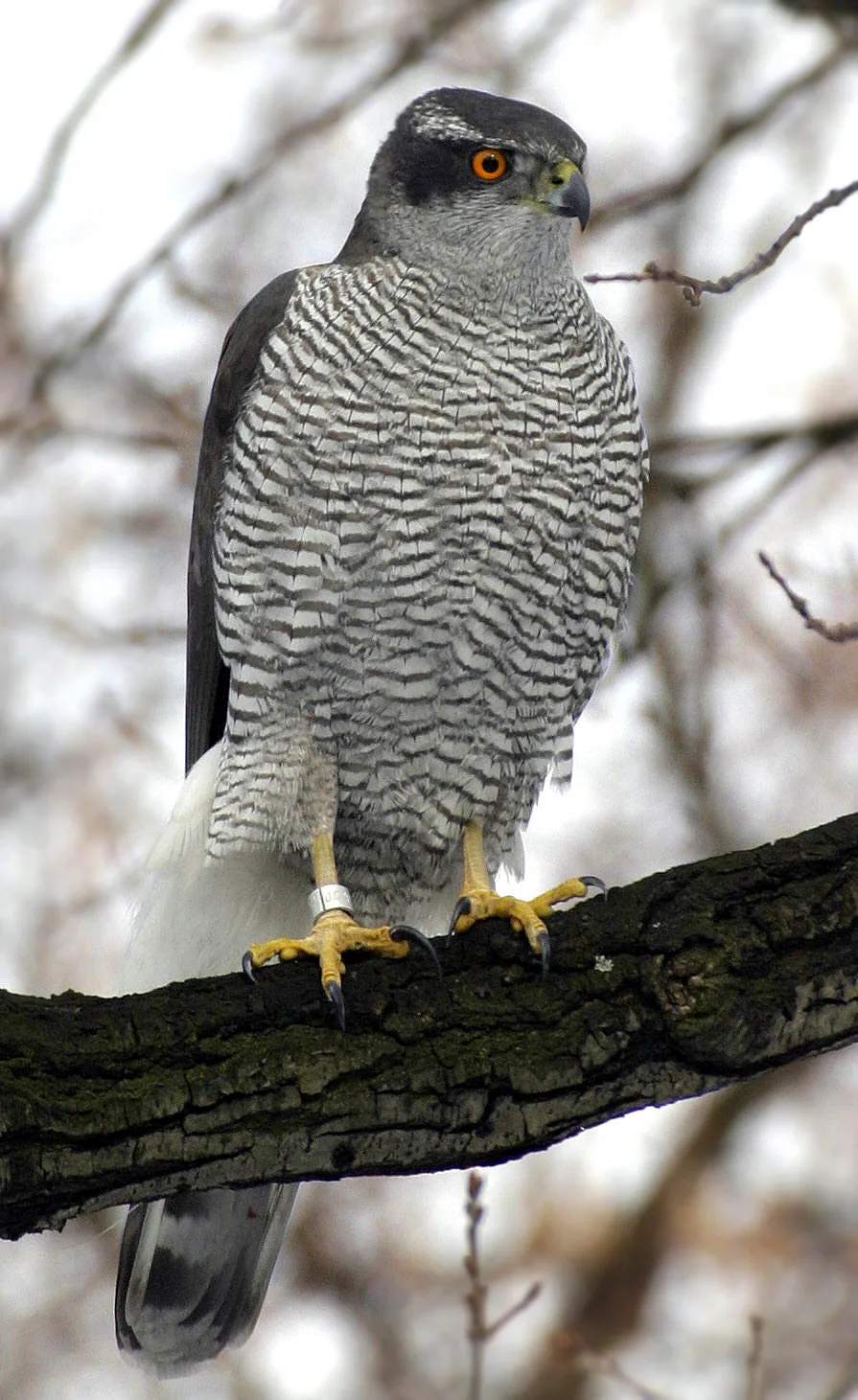
Photo: Eurasian Goshawk

Eurasian Goshawk

Astur gentilis

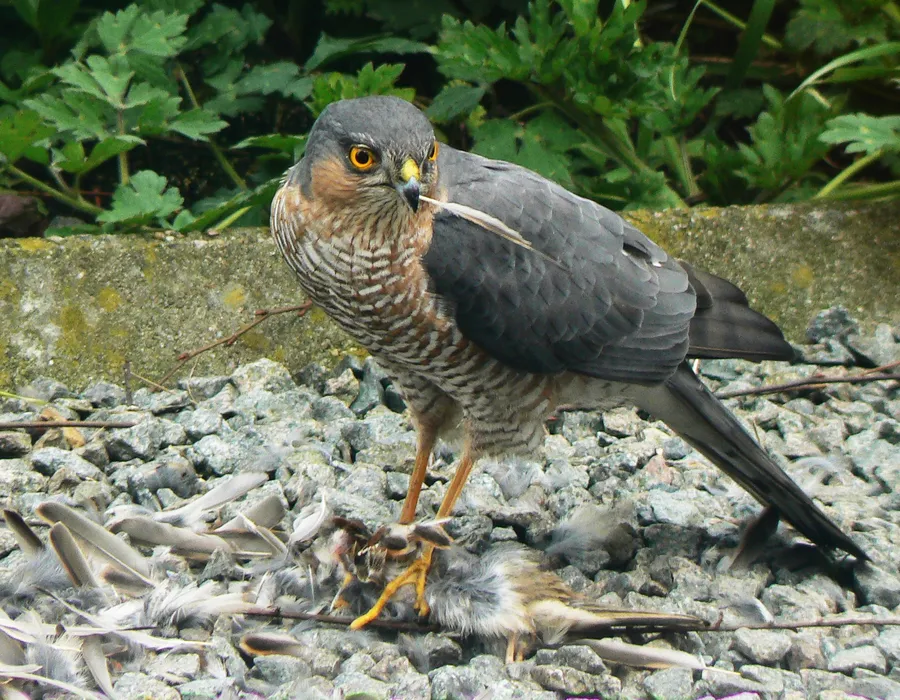
The Eurasian goshawk is a medium-large bird of prey with short, broad wings and a long tail, slate-grey above and pale below with dark barring; females are much larger than males. It lives in forests across Europe, Asia and northwestern Africa and has increasingly settled in cities. Agile rather than fast, it hunts small to medium-sized birds and mammals among the trees, and in central Europe pigeons are a favourite prey. Its scientific name, gentilis ('noble'), recalls the medieval rule that reserved falconry with goshawks for the nobility.

In our data the species was reported on 388,340 days in 82 countries, most often in Sweden, Norway and Germany.

Last reported on November 22, 2026 in Russia (Nizhny Novgorod)

View on the map

Photo: Norbert Kenntner, Berlin, CC BY-SA 3.0

Where the species lives and is reported

Drag to turn the globe

Where it is reported

Most reports come from Europe (98 %).

Counted are reporting days: days on which the species was reported at least once in a cell.

Where it was reported

Each hexagon is a cell about 40 km across in which people reported the species. The darker, the more days.

  • 388,340reporting days
  • 5,309cells
  • 82countries

Where it stays pale, few reports come in. That does not mean the species is absent there. The latest reports pulse:

  • Nizhny Novgorod, Russia
  • Sverdlovsk, Russia
  • Rome, Italy
  • Sibiu, Romania

Where it is reported most often

For each country, the place where the species was reported on the most days. Tap a place.

This is no promise. It shows where people report it especially often.

Through the year

The species is most likely to be reported in October (48 % more often than the yearly average), least often in June (63 % less often). The bars show the difference from the yearly average, adjusted for the fact that more people are outdoors in summer. On the map, a cell is darker the more of its reports fall in the month shown.

January: 45 % more often than the yearly average.

When is the species reported where?

Green means: in this month the species is reported there clearly more often than in the rest of the year. Blue means: clearly less often. We have adjusted for the fact that more people are outdoors in summer. Tap a square.

How often the species is reported per country and month, compared with the yearly average
CountryJFMAMJJASOND
All countriesreported 45 % more often than the yearly averagereported 10 % more often than the yearly averagereported 17 % more often than the yearly averagereported about as often as the yearly averagereported 42 % less often than the yearly averagereported 63 % less often than the yearly averagereported 54 % less often than the yearly averagereported about as often as the yearly averagereported 40 % more often than the yearly averagereported 48 % more often than the yearly averagereported 25 % more often than the yearly averagereported about as often as the yearly average
Swedenreported 39 % more often than the yearly averagereported 13 % more often than the yearly averagereported 17 % more often than the yearly averagereported about as often as the yearly averagereported 51 % less often than the yearly averagereported 71 % less often than the yearly averagereported 60 % less often than the yearly averagereported 11 % more often than the yearly averagereported 53 % more often than the yearly averagereported 56 % more often than the yearly averagereported 29 % more often than the yearly averagereported about as often as the yearly average
Norwayreported 51 % more often than the yearly averagereported 20 % more often than the yearly averagereported 11 % more often than the yearly averagereported about as often as the yearly averagereported 52 % less often than the yearly averagereported 74 % less often than the yearly averagereported 69 % less often than the yearly averagereported about as often as the yearly averagereported 53 % more often than the yearly averagereported 63 % more often than the yearly averagereported 61 % more often than the yearly averagereported 42 % more often than the yearly average
Germanyreported 55 % more often than the yearly averagereported about as often as the yearly averagereported 16 % more often than the yearly averagereported about as often as the yearly averagereported 18 % more often than the yearly averagereported 45 % less often than the yearly averagereported 43 % less often than the yearly averagereported 16 % less often than the yearly averagereported about as often as the yearly averagereported 14 % more often than the yearly averagereported about as often as the yearly averagereported about as often as the yearly average
Spainreported 25 % more often than the yearly averagereported 23 % more often than the yearly averagereported 19 % more often than the yearly averagereported about as often as the yearly averagereported 30 % less often than the yearly averagereported 43 % less often than the yearly averagereported 47 % less often than the yearly averagereported 17 % less often than the yearly averagereported 23 % more often than the yearly averagereported 27 % more often than the yearly averagereported 20 % more often than the yearly averagereported 17 % more often than the yearly average
Francereported 68 % more often than the yearly averagereported 15 % less often than the yearly averagereported 50 % more often than the yearly averagereported 19 % more often than the yearly averagereported 29 % less often than the yearly averagereported 36 % less often than the yearly averagereported 22 % less often than the yearly averagereported about as often as the yearly averagereported about as often as the yearly averagereported about as often as the yearly averagereported 26 % less often than the yearly averagereported 37 % less often than the yearly average
Finlandreported 3.3 times as often as the yearly averagereported 26 % more often than the yearly averagereported 54 % less often than the yearly averagereported 56 % less often than the yearly averagereported 75 % less often than the yearly averagereported 86 % less often than the yearly averagereported 76 % less often than the yearly averagereported 35 % less often than the yearly averagereported 55 % more often than the yearly averagereported 70 % more often than the yearly averagereported 2.1 times as often as the yearly averagereported 63 % more often than the yearly average
Belgiumreported 25 % less often than the yearly averagereported about as often as the yearly averagereported 39 % more often than the yearly averagereported 29 % more often than the yearly averagereported about as often as the yearly averagereported 23 % less often than the yearly averagereported 20 % less often than the yearly averagereported about as often as the yearly averagereported 14 % more often than the yearly averagereported 28 % more often than the yearly averagereported 15 % less often than the yearly averagereported 31 % less often than the yearly average
Netherlandsreported about as often as the yearly averagereported 14 % more often than the yearly averagereported 51 % more often than the yearly averagereported 28 % more often than the yearly averagereported about as often as the yearly averagereported 34 % less often than the yearly averagereported 31 % less often than the yearly averagereported about as often as the yearly averagereported about as often as the yearly averagereported 15 % more often than the yearly averagereported 13 % less often than the yearly averagereported 30 % less often than the yearly average
much less oftenless oftenno clear differencemore oftenmuch more often

In Sweden in October: reported 56 % more often than the yearly average. This is the strongest month there.

Who is reported in the same cells

In how many of 10 areas of this species the other species was reported as well. Counted are the 3,598 cells in which this species is reported regularly; compared with the other species that have a page.

Latest reports on the map

The map shows every cell with reports of this species, including the latest ones, and every other species as well.

View the Eurasian Goshawk on the map