Wildpulse Map
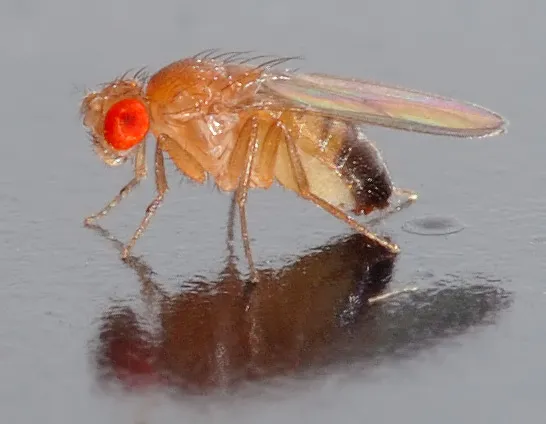
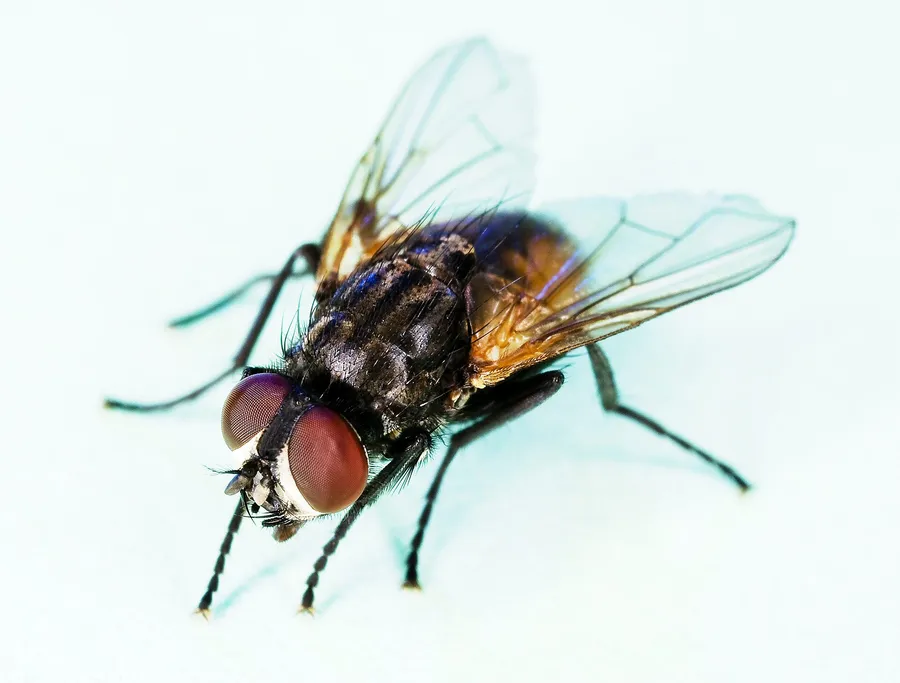
Photo: Common Fruit Fly

Common Fruit Fly

Drosophila melanogaster

The common fruit fly is a tiny yellow-brown fly, only about two and a half millimetres long, with brick-red eyes. Drawn to ripe and fermenting fruit, it turns up in orchards and kitchens. Its larvae feed mainly on the yeasts and bacteria that break down the fruit. Because it develops from egg to adult in about nine days, it has been one of the most important animals in genetics research for over a century, and work on it has earned several Nobel Prizes.

In our data the species was reported on 621 days in 21 countries, most often in Sweden, South Korea and Norway.

Last reported on November 7, 2026 in the USA (Texas)

View on the map

Photo: André Karwath aka Aka, CC BY-SA 2.5

Where the species lives and is reported

Drag to turn the globe

Where it is reported

Most reports come from Europe (77 %), from Asia (15 %) and from North America (4 %).

Counted are reporting days: days on which the species was reported at least once in a cell.

Where it was reported

Each hexagon is a cell about 40 km across in which people reported the species. The darker, the more days.

  • 621reporting days
  • 259cells
  • 21countries

Where it stays pale, few reports come in. That does not mean the species is absent there. The latest reports pulse:

  • Texas, USA
  • Örebro, Sweden
  • Skåne, Sweden
  • Upper Austria, Austria

Where it is reported most often

For each country, the place where the species was reported on the most days. Tap a place.

This is no promise. It shows where people report it especially often.

Through the year

The species is most likely to be reported in January (146 % more often than the yearly average), least often in April (80 % less often). The bars show the difference from the yearly average, adjusted for the fact that more people are outdoors in summer. On the map, a cell is darker the more of its reports fall in the month shown.

January: 2.5 times as often as the yearly average.

When is the species reported where?

Green means: in this month the species is reported there clearly more often than in the rest of the year. Blue means: clearly less often. We have adjusted for the fact that more people are outdoors in summer. Tap a square.

How often the species is reported per country and month, compared with the yearly average
CountryJFMAMJJASOND
All countriesreported 2.5 times as often as the yearly averageno clear difference from the yearly averagereported 67 % less often than the yearly averagereported 80 % less often than the yearly averagereported 47 % less often than the yearly averagereported 50 % less often than the yearly averagereported about as often as the yearly averagereported 37 % more often than the yearly averagereported 94 % more often than the yearly averagereported 48 % more often than the yearly averageno clear difference from the yearly averagereported 2.1 times as often as the yearly average
Swedenreported 3.8 times as often as the yearly averageno clear difference from the yearly averageno clear difference from the yearly averagereported 75 % less often than the yearly averagereported 66 % less often than the yearly averagereported 68 % less often than the yearly averagereported about as often as the yearly averagereported about as often as the yearly averagereported 2.2 times as often as the yearly averagereported 2.1 times as often as the yearly averagereported 2.1 times as often as the yearly averageno clear difference from the yearly average
South Koreano clear difference from the yearly averageno clear difference from the yearly averageno clear difference from the yearly averageno clear difference from the yearly averageno clear difference from the yearly averageno clear difference from the yearly averageno clear difference from the yearly averageno clear difference from the yearly averageno clear difference from the yearly averageno clear difference from the yearly averageno clear difference from the yearly averageno clear difference from the yearly average
Norwayno clear difference from the yearly averageno clear difference from the yearly averageno clear difference from the yearly averageno clear difference from the yearly averageno clear difference from the yearly averageno clear difference from the yearly averageno clear difference from the yearly averagereported 2 times as often as the yearly averagereported 2.1 times as often as the yearly averageno clear difference from the yearly averagereported 3.3 times as often as the yearly averagereported 6 times as often as the yearly average
United Kingdomno clear difference from the yearly averageno clear difference from the yearly averageno clear difference from the yearly averageno clear difference from the yearly averageno clear difference from the yearly averageno clear difference from the yearly averagereported about as often as the yearly averageno clear difference from the yearly averagereported 2.4 times as often as the yearly averageno clear difference from the yearly averageno clear difference from the yearly averageno clear difference from the yearly average
Finlandreported 12.1 times as often as the yearly averageno clear difference from the yearly averageno clear difference from the yearly averageno clear difference from the yearly averageno clear difference from the yearly averageno clear difference from the yearly averagereported about as often as the yearly averageno clear difference from the yearly averagereported 2.6 times as often as the yearly averagereported about as often as the yearly averageno clear difference from the yearly averageno clear difference from the yearly average
much less oftenless oftenno clear differencemore oftenmuch more often

In Sweden in January: reported 3.8 times as often as the yearly average. This is the strongest month there.

Who is reported in the same cells

In how many of 10 areas of this species the other species was reported as well. Counted are the 71 cells in which this species is reported regularly; compared with the other species that have a page.

Latest reports on the map

The map shows every cell with reports of this species, including the latest ones, and every other species as well.

View the Common Fruit Fly on the map